Loading...
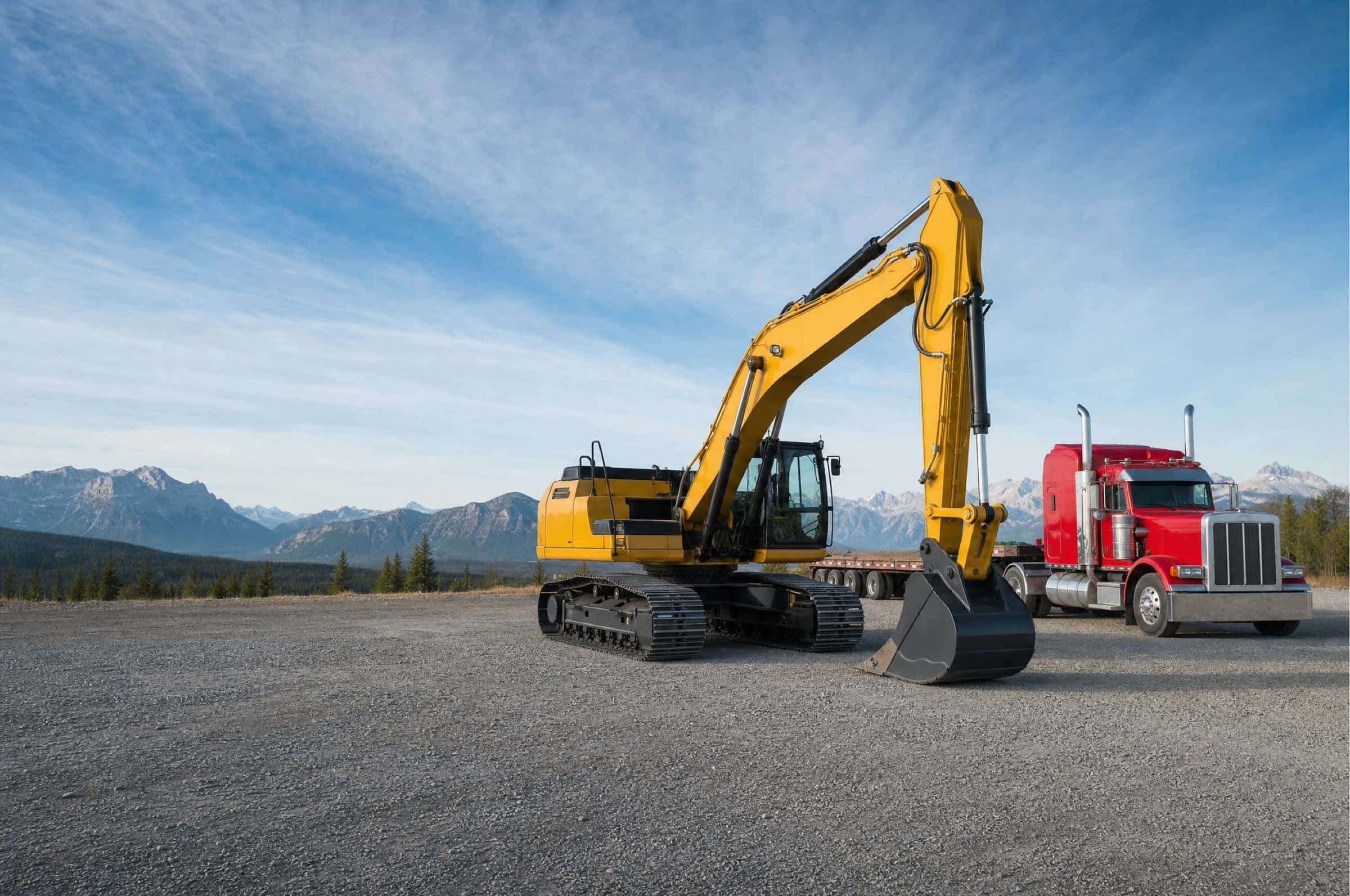
Equipment Financing Across Canada
Leases for new and used equipment, in every province. From a first truck to a full production line.
Origin Finances Inc. is a Canadian commercial equipment financing broker based in Montréal and working with businesses in every province and territory. It arranges leases for commercial equipment — highway tractors and trailers, construction and forestry machines, farm equipment, medical, dental and restaurant equipment, new or used — by taking one application and presenting it to the lenders in its network whose credit terms fit the file.
- Represents the largest Canadian banks and several leasing institutions
- New and used equipment, lease or purchase
- Payment schedules built around seasonal cash flow
- Small businesses to large enterprises, across Canada
What we finance
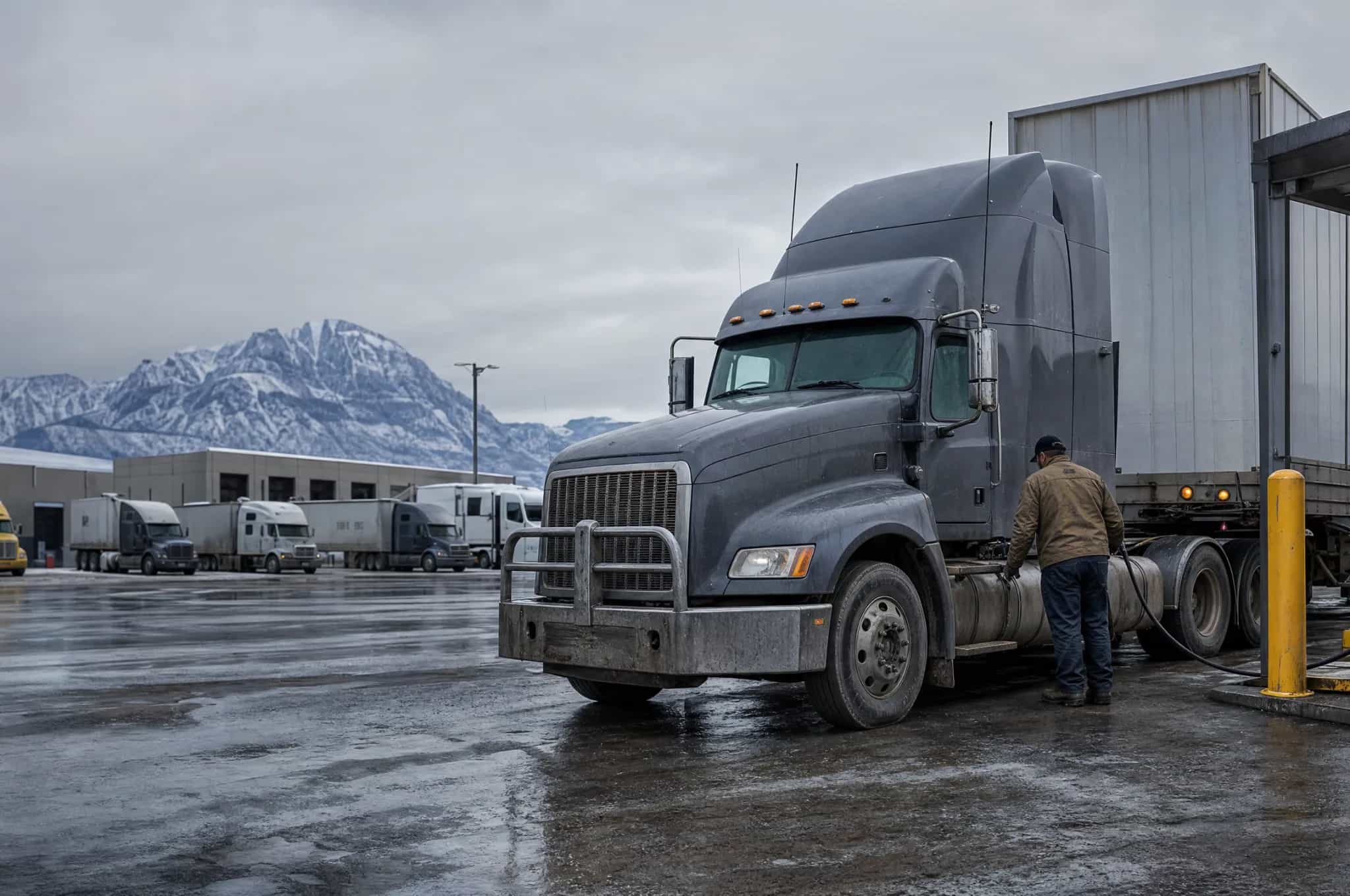
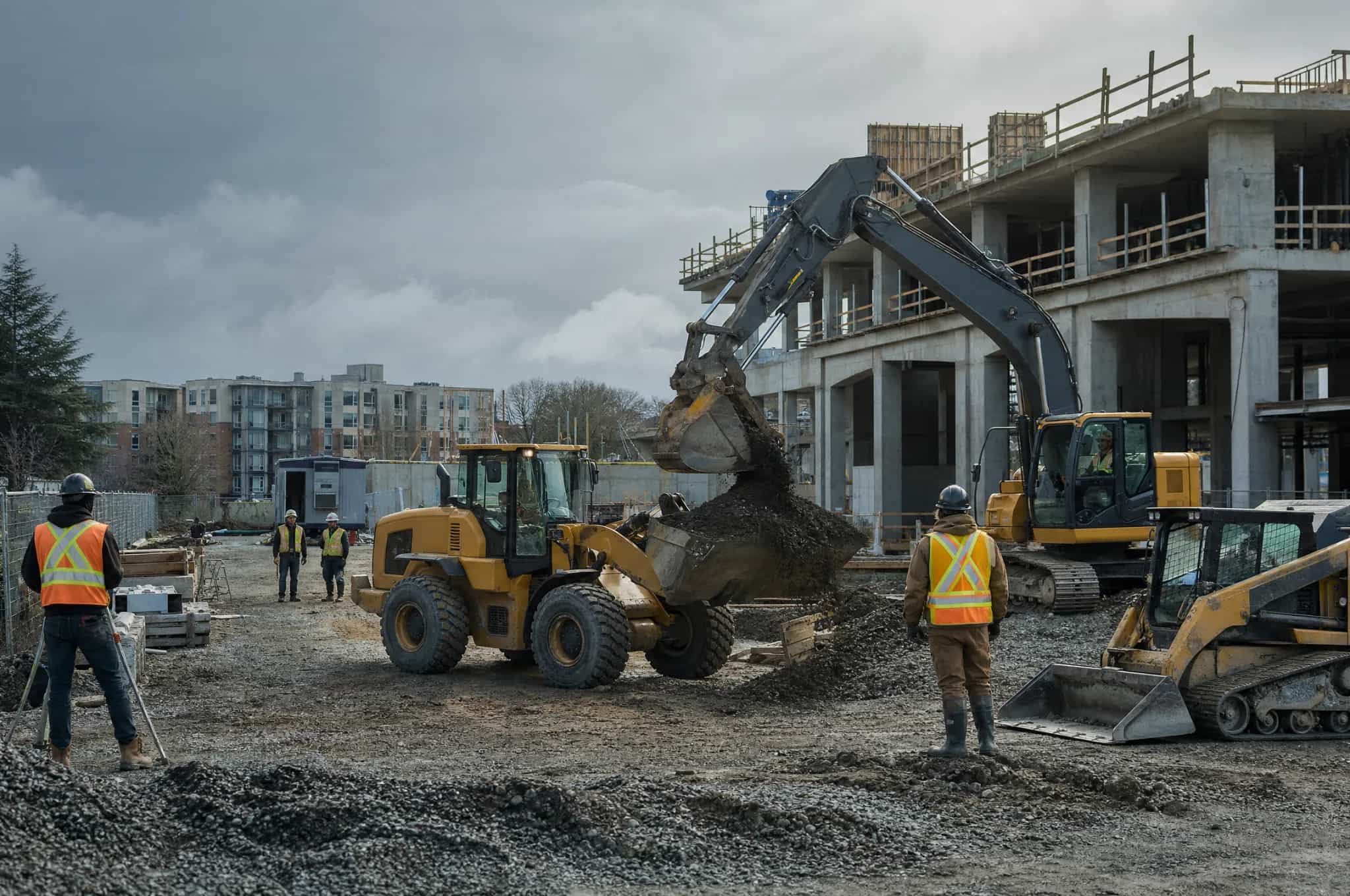
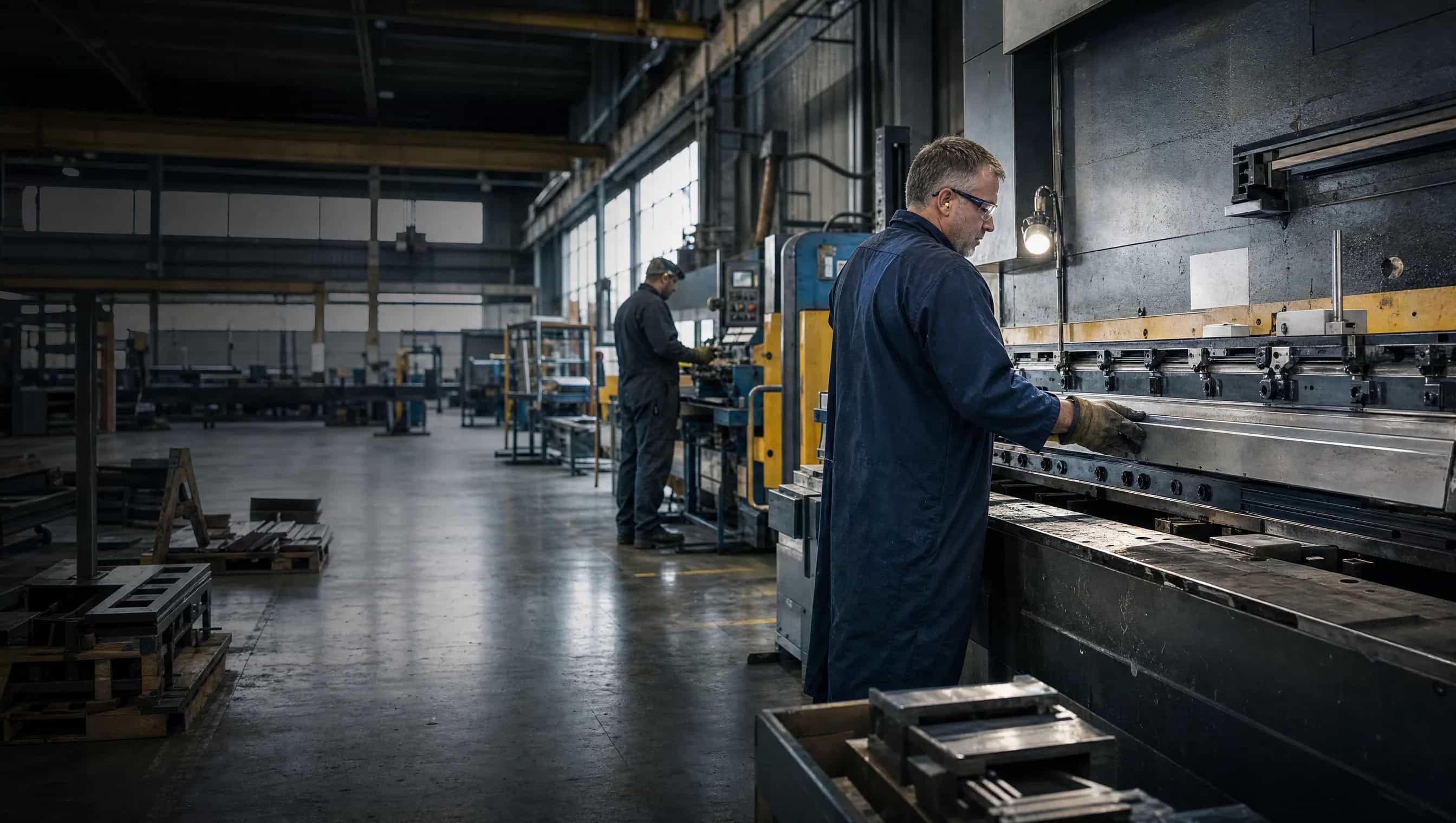
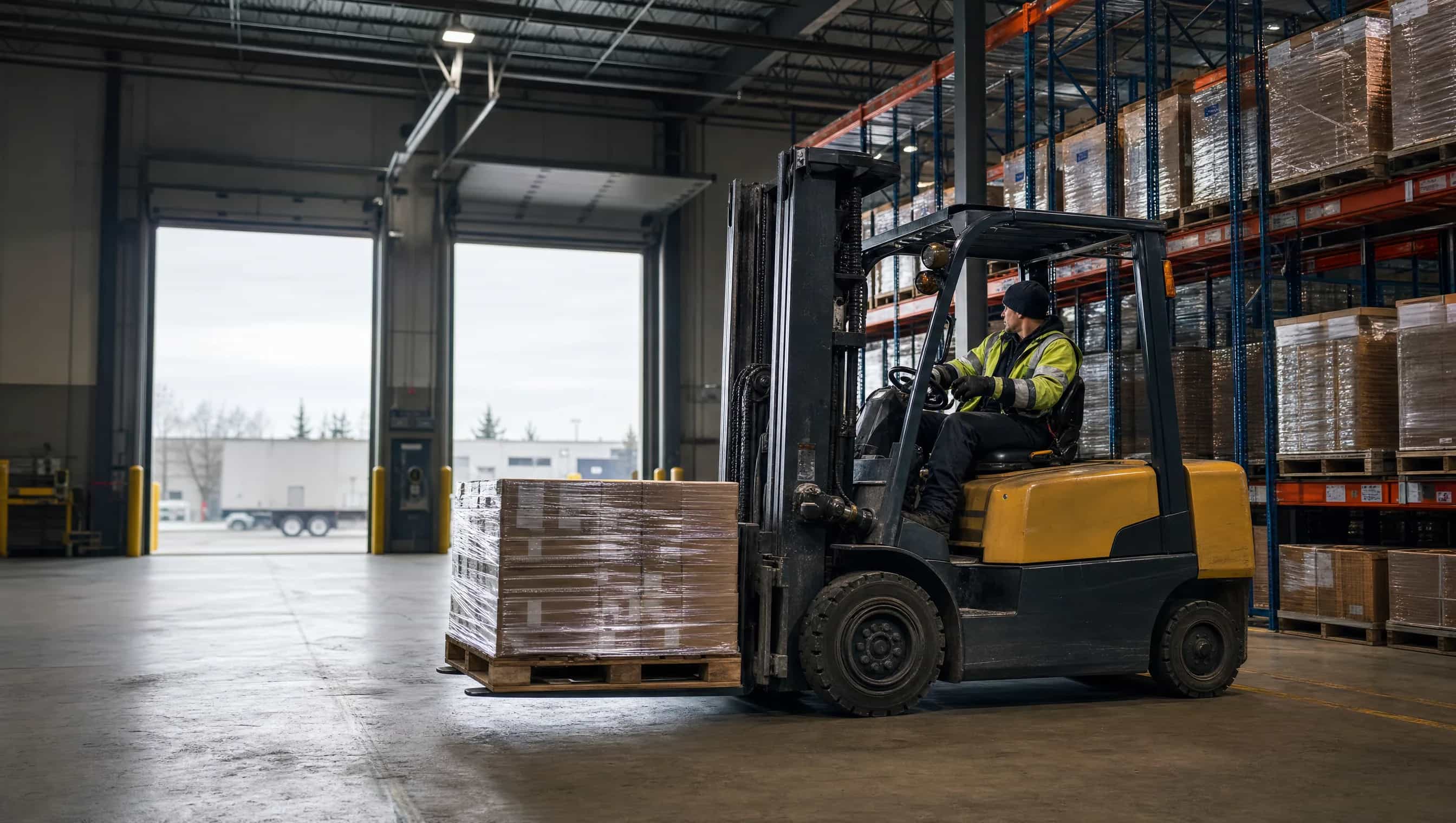
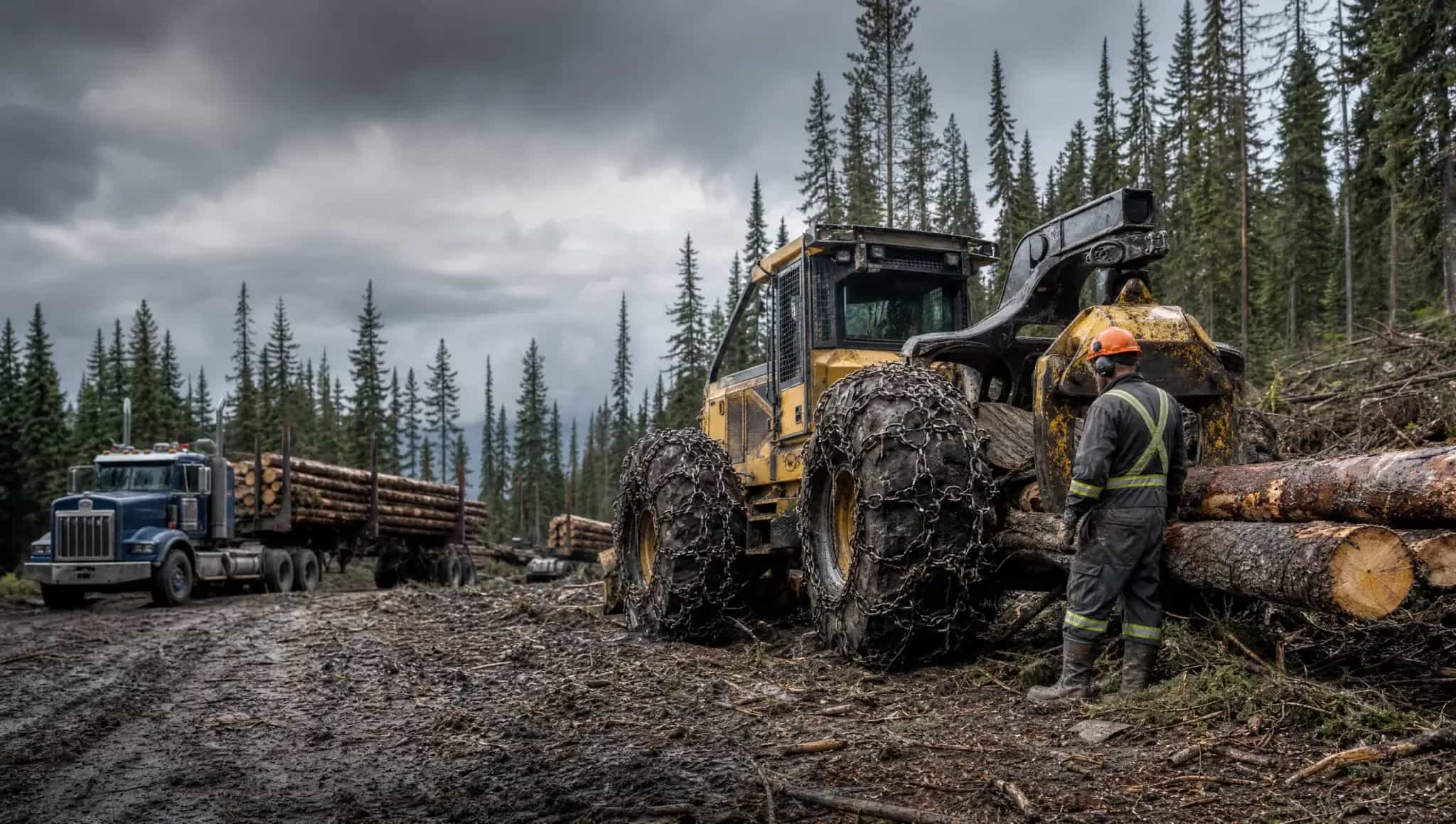
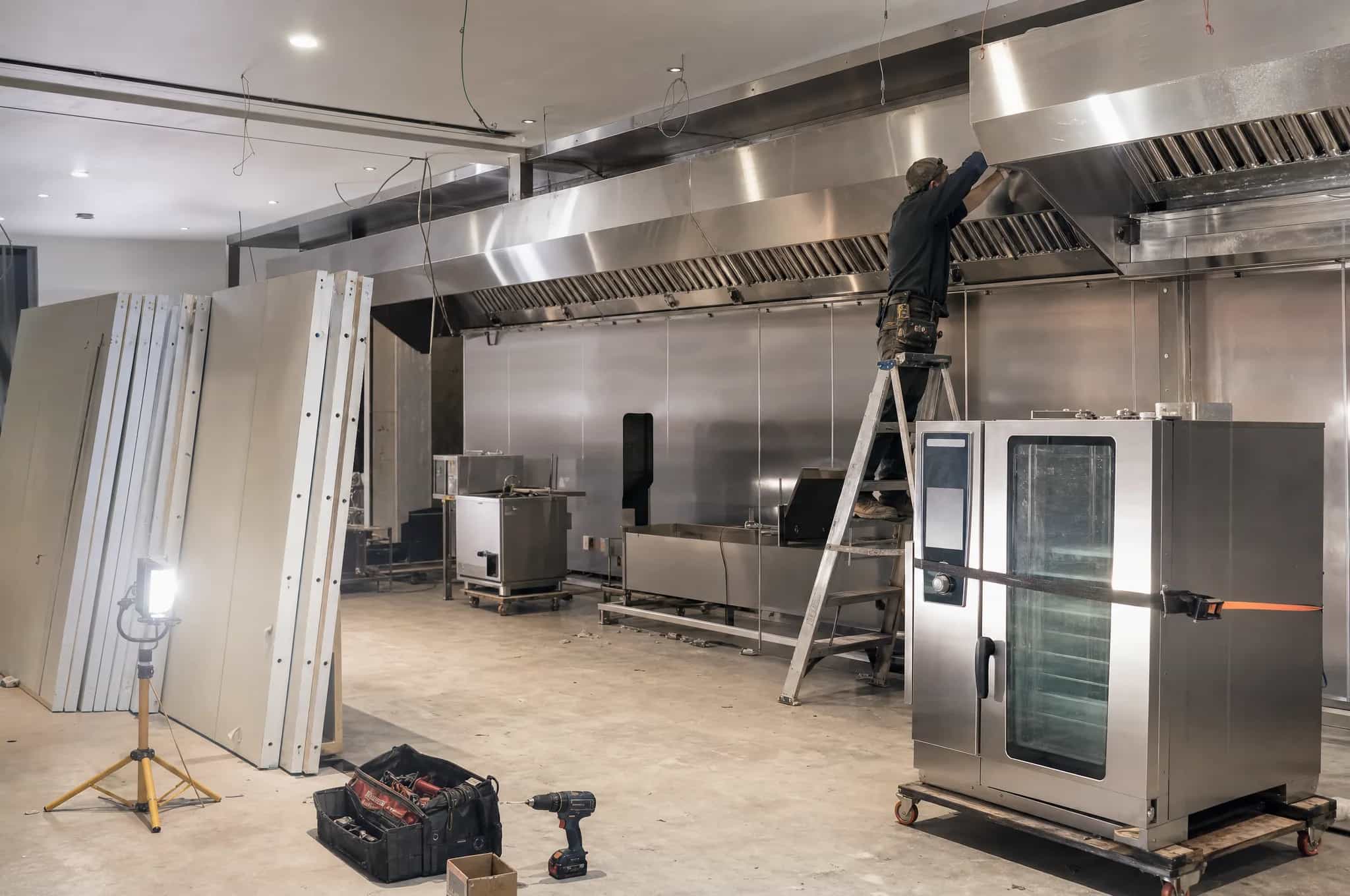
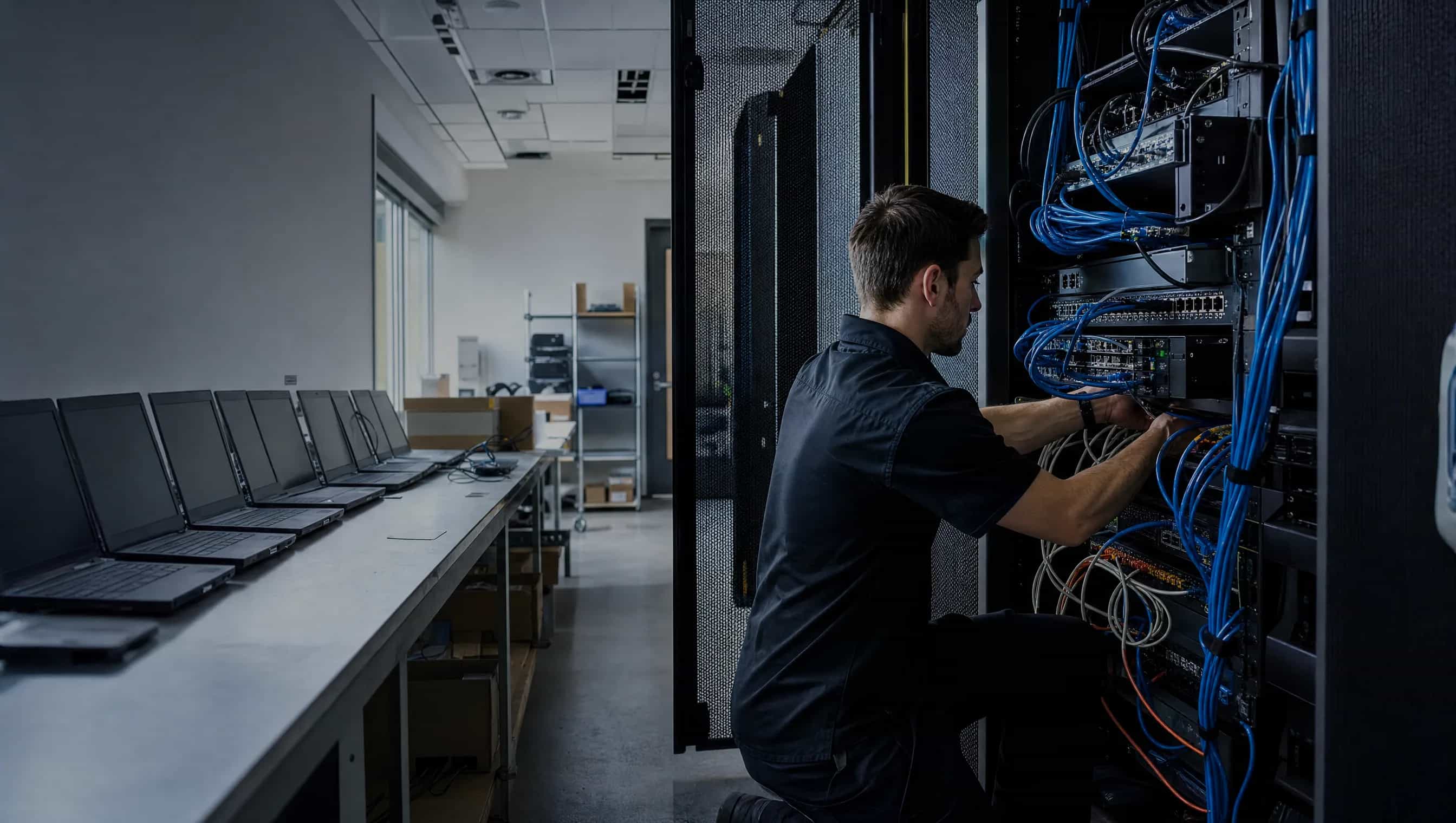
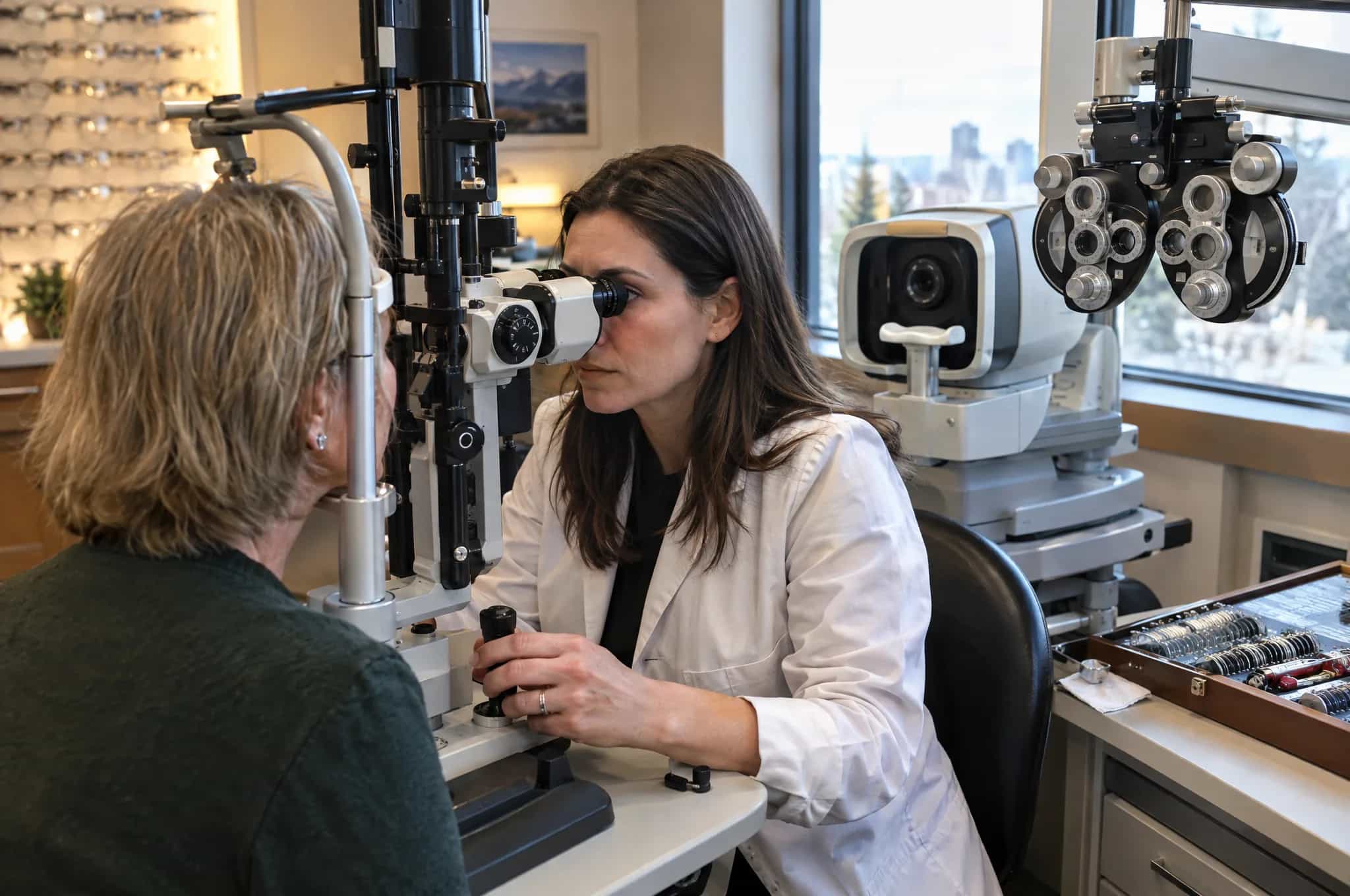
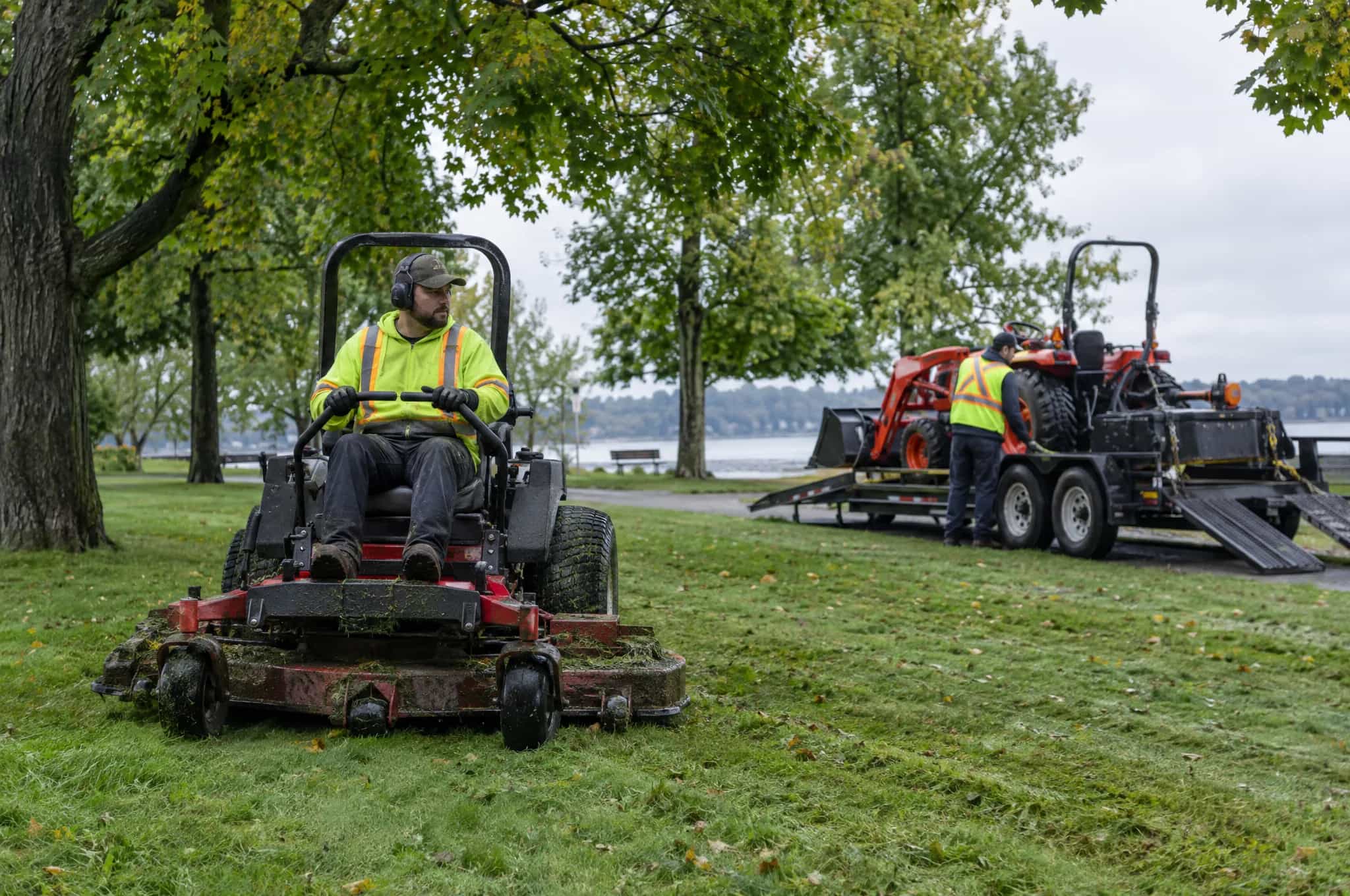
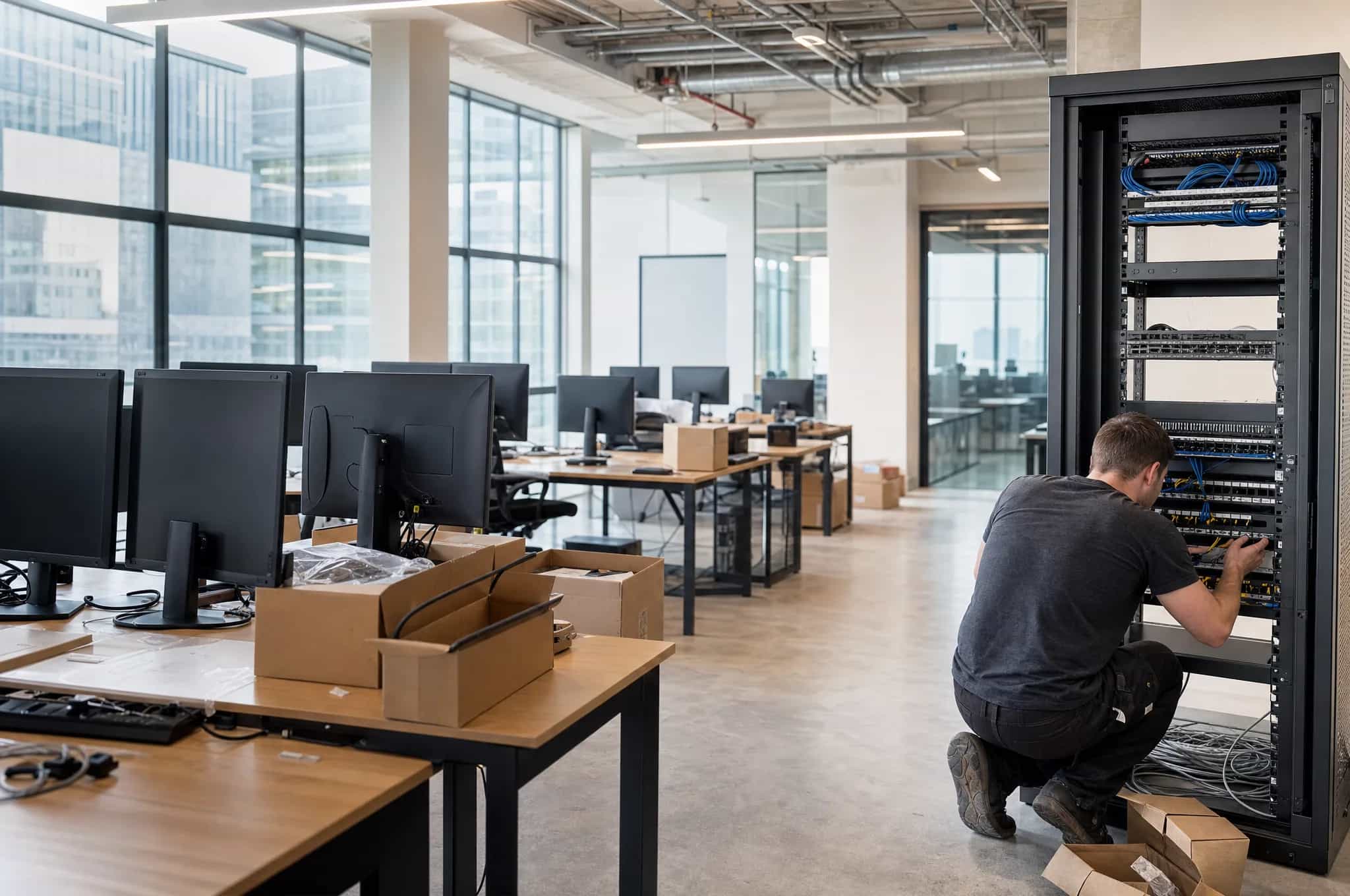
New or used, from a dealer, an auction or a private sale. Pick the category that looks like your business.


How it works
- 1
Send the quote and a short business profile
We need the equipment quote and enough about the business to know which lenders can look at it.
- 2
We place the file with the lenders whose criteria fit
Bank-owned leasing arms, independent finance companies and asset-based specialists each have a different credit box. We present the file to the ones that can approve it.
- 3
You compare real structures
Usually quickly. Term, down payment, end-of-term option and payment schedule are all negotiable, not just the rate.
Equipment dealers: refer the buyer, we arrange the financing, you close the sale.
Origin Finances works with equipment vendors across Canada. Send us the buyer, we handle the credit application and the lender, and you get paid for the referral when the deal funds.
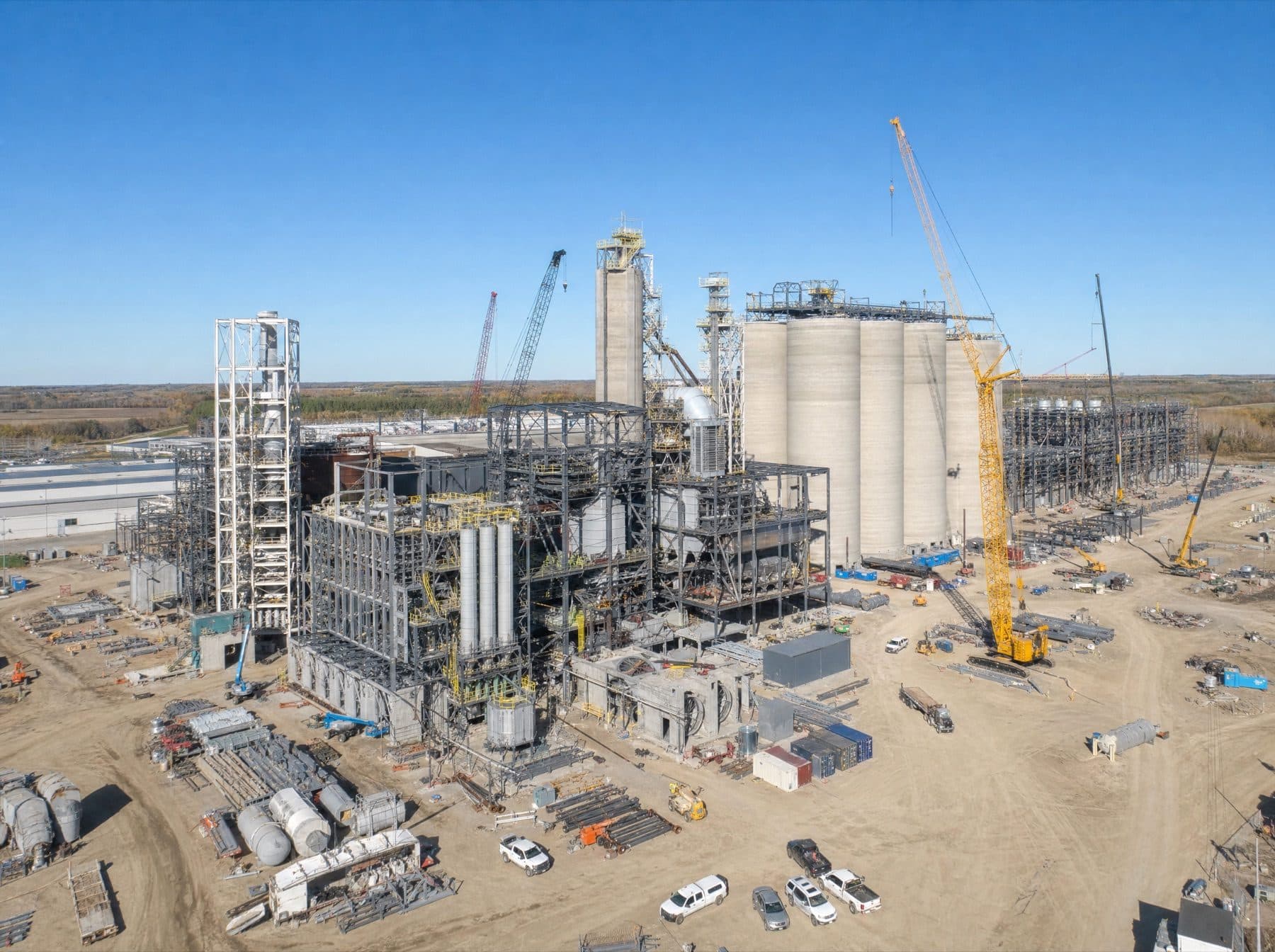
Large and international projects
Our international investment division welcomes large-scale projects, with equity participation available. These are often startups. Projects at that scale follow a submission protocol with your financial statements for the last three years.
Talk to the projects divisionIndustries we finance
- Trucking & Transportation
- Construction
- Agriculture & Farming
- Forestry & Logging
- Manufacturing
- Machining & Fabrication Shops
- Material Handling & Warehousing
- Medical & Healthcare
- Dental
- Fitness & Gyms
- IT & Technology
- Fleets & Commercial Vehicles
- Vending & ATM Operators
- Landscaping & Grounds Care
- Commercial Printing
- Office & Document Equipment
- Laundromats & Dry Cleaning
- Containers & Portable Storage
- Mining & Aggregates
- Water & Wastewater Treatment
- Modular & Portable Buildings
- Telecom & Network Infrastructure
- Waste & Recycling
- Drilling & Ground Engineering
- Fuel & Tanker Transport
- Greenhouse & Controlled Environment
- Dairy & Livestock
- Plumbing & Underground Services
- Roofing Contractors
- Medical Imaging & Diagnostics
- Veterinary Practices
- Chiropractic & Physiotherapy
- Licensed Cannabis Producers
- Retail & Point of Sale
- Amusement & Family Entertainment
- Textile & Apparel Manufacturing
- Tattoo & Body Art Studios
Equipment financing across Canada
All locations →Manitoba
British Columbia
Ontario
Quebec
Questions we get asked
What is equipment financing and how does it work?
Equipment financing is a lease used to acquire business equipment — trucks, machinery, medical or restaurant equipment — without paying the full purchase price up front. Instead of draining working capital, you spread the cost over a term that matches the useful life of the asset. The equipment itself usually serves as the collateral, which is why approvals are faster and more accessible than unsecured business leasing. As a broker, we work differently from a single bank: we take one application and present it to the lenders in our network most likely to approve your profile, industry, and equipment type. You get the equipment working for your business right away while payments come out of the revenue it generates. At the end of a lease term you can typically purchase the equipment, upgrade it, or return it, depending on the structure you choose.
What credit score is needed for equipment financing in Canada?
There is no single minimum credit score for equipment financing in Canada, because different lenders serve different credit tiers. Banks and credit unions generally want strong established credit, while independent and alternative lenders in our network approve a much wider range of profiles — including newer businesses and owners rebuilding their credit. What matters as much as the score is the whole picture: time in business, revenue, the equipment's value as collateral, and the size of your down payment. Because the equipment secures the contract, funders take on less risk than with unsecured financing, which keeps the door open for applicants a bank would decline. As a broker, our job is to match your file to the lender most likely to say yes at the best available terms, rather than forcing every applicant through one credit policy. If your credit is bruised, tell us up front — it changes which lenders we approach, not whether we can help.
Is it better to buy or lease equipment?
It depends on how long the equipment stays useful and how you want to manage cash flow and taxes. Buying — usually through an equipment leasing — makes sense for assets that hold value and stay in service for many years: trailers, machining equipment, some heavy machinery. With a $1-buyout lease you build equity and the asset is yours at term. Leasing shines when technology turns over quickly or you want lower payments: you use the equipment during the term, then choose to purchase it, upgrade to newer equipment, or return it. Leasing can also offer accounting and tax treatment advantages, since payments may be expensed differently than a purchase — your accountant can confirm what applies to your situation. Many of our clients mix both: $1-buyout leases for long-life iron, operating leases for technology and vehicles they plan to refresh. Because we broker both structures across our lender network, we can price the same equipment both ways and let you compare real numbers instead of guessing.
What are the downsides of equipment leasing?
Leasing is a powerful tool, but it isn't free of trade-offs and we believe you should see them clearly before signing. Over the full term, total lease payments can add up to more than a straight purchase would have cost, since the lessor is financing the asset and carrying risk. You don't build equity during the term unless your lease includes a purchase option, and some structures carry end-of-term obligations — return conditions, buyout amounts, or renewal clauses — that surprise businesses that didn't read them up front. Early termination can also be costly if your needs change mid-term. The way to manage all of this is structure: choosing the right lease type, a realistic term, and a clear end-of-term option before you commit. That is exactly what a broker is for — we walk you through the buyout, the term, and the total cost of each offer from our lender network so you compare leases on substance, not just on the monthly payment.
Can I get equipment financing for a startup or new business?
Yes — startups can absolutely finance equipment in Canada, though the path is different than for an established company. Banks typically want two or more years of operating history, which shuts out new businesses by default. The lenders in our network include several that specialize in startup files, where the decision leans on the owner's personal credit, industry experience, the strength of the business plan, and the equipment itself as collateral. A larger down payment or a shorter first term can also strengthen a startup application. Owner-operators buying their first truck, new clinics equipping a practice, and first-location restaurants are all files we place regularly. The equipment being financed matters too: assets with strong resale markets are easier to approve for a new business than highly specialized gear. If you're pre-revenue, talk to us before you commit to a purchase — knowing what you can be approved for shapes what equipment you should be shopping for.
Can I finance a semi-truck with bad credit?
In many cases, yes. Bruised credit narrows your options at the banks, but the commercial truck financing market in Canada includes lenders who work specifically with challenged-credit files — it's a core part of what they do, not an exception. What they look at is the full story: how recent the credit issues are, whether you have industry experience behind the wheel, the down payment you can bring, and the truck itself, since a well-maintained unit with strong resale value is solid collateral. Expect a bad-credit approval to carry a higher rate or a larger down payment requirement than a prime file — that's the honest trade-off. The strategy many owner-operators use is to accept those terms to get rolling, make twelve months of clean payments, and then refinance at better terms once their file has improved. Our job as a broker is to find the lender who says yes today and position you for better terms tomorrow.
What is the best way to finance a commercial truck in Canada?
The best structure depends on the truck, your business stage, and your cash flow — there is no single right answer, which is exactly why comparing commercial truck financing options matters. A $1-buyout truck lease builds equity and suits owner-operators planning to run the unit for its full life. A lease keeps monthly payments lower and works well for fleets that refresh units on a cycle, with a purchase option at the end if you decide to keep the truck. Dealer financing can be convenient but reflects one lender's programs; a broker puts the same application in front of multiple transportation lenders and lets the offers compete. Key questions to settle before you sign: new or used unit, how many kilometres you'll run per year, the term versus the truck's remaining life, and what down payment keeps your working capital safe. We finance highway tractors, straight trucks, and vocational units across Canada, with decisions typically inside a quick turnaround.
Tell us what you need to finance
Send the equipment details and a short business profile. An advisor comes back with real equipment financing options from our Canadian lender network.