What we finance, and who funds it
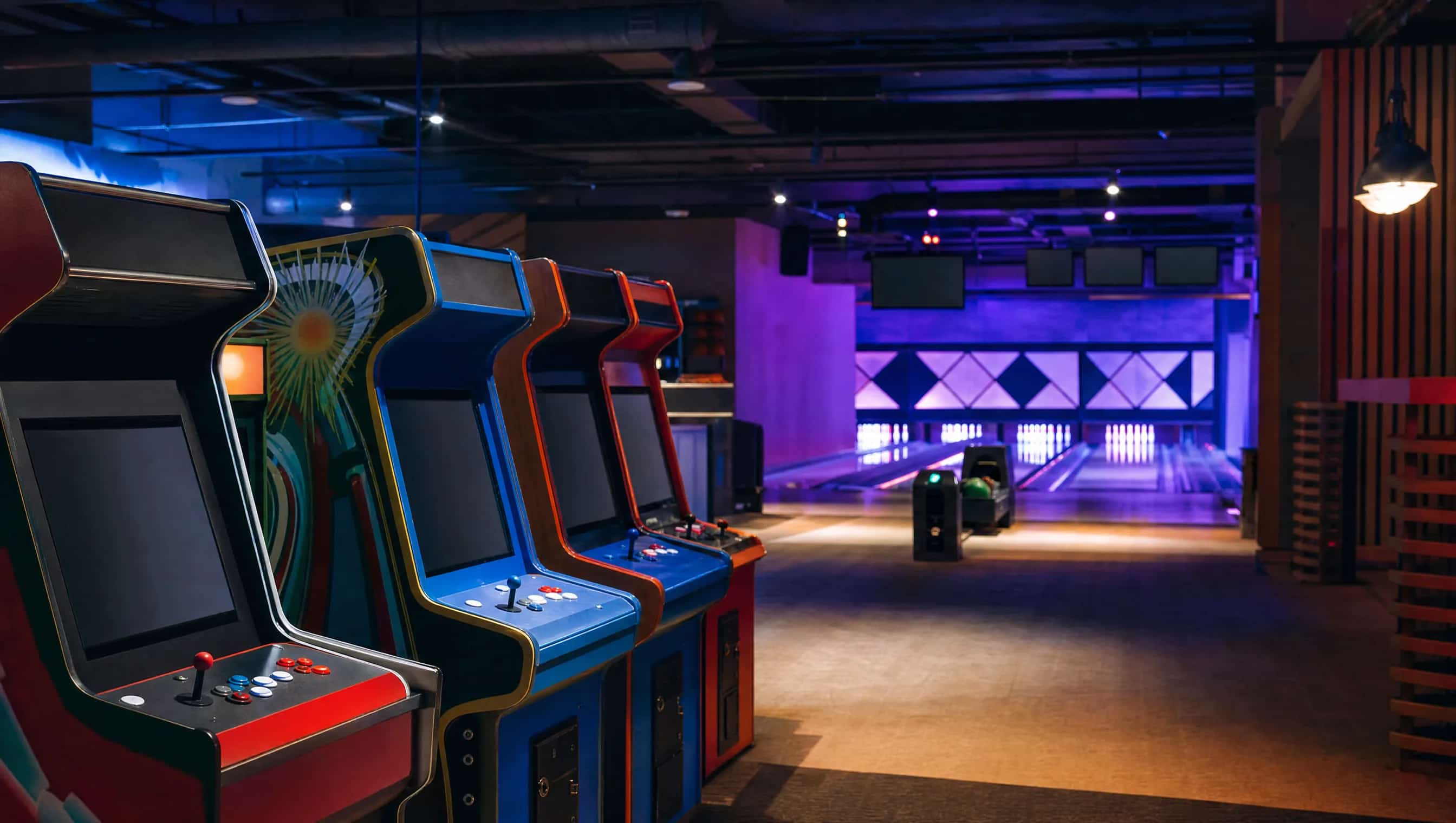
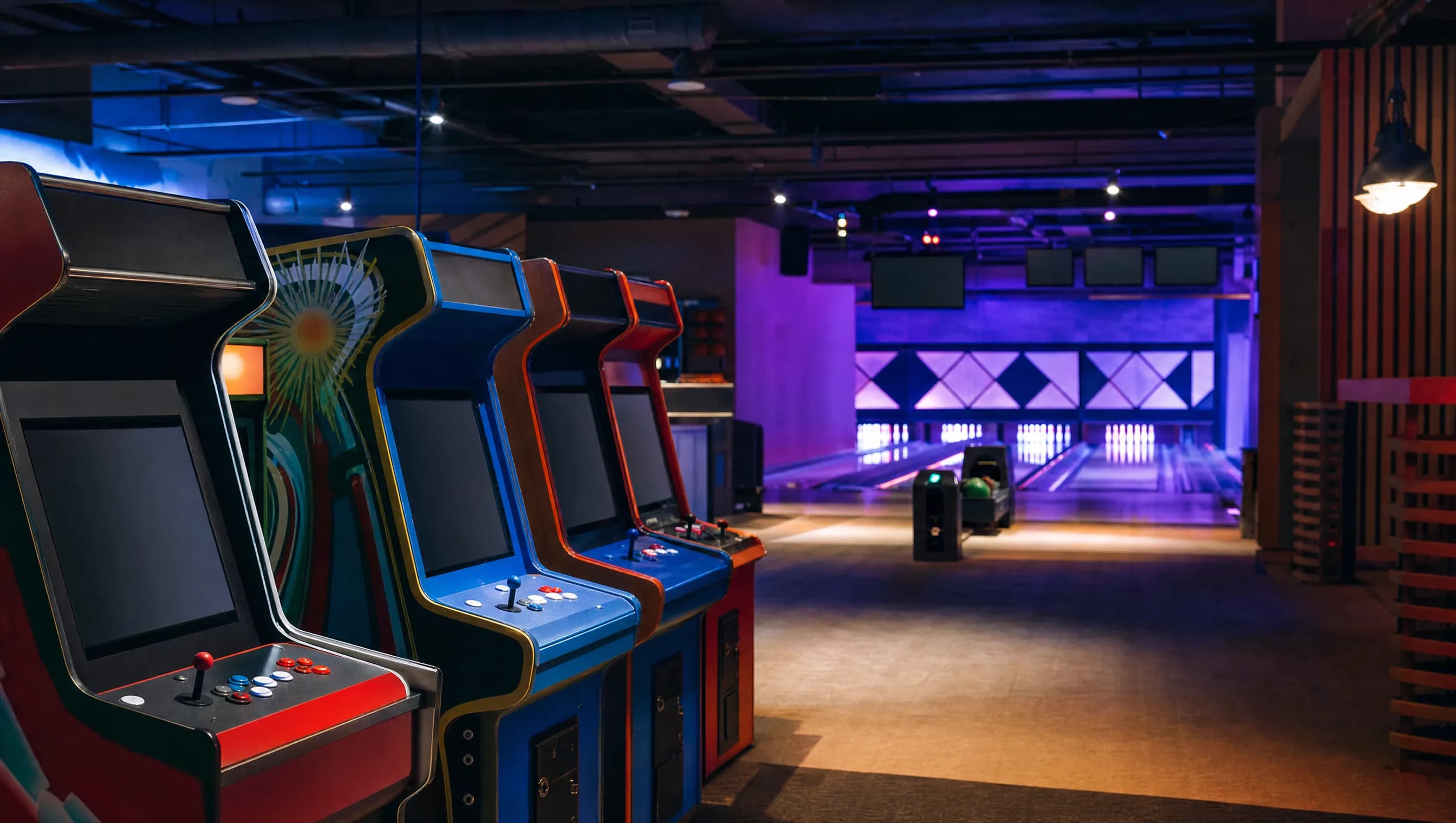
We arrange amusement and entertainment equipment financing through major Canadian banks and specialised leasing institutions. Arcade and redemption games, bowling lanes, pinsetters and scoring systems, indoor play structures and ropes courses, simulators, virtual reality and attraction systems, and prize, vending and cashless systems all qualify, new or used. Used equipment is normal and sensible in this sector, where a well-maintained cabinet earns the same quarter as a new one; an entire venue can travel on a single structure covering games, lanes and the play structure together.
Attendance is seasonal and weather-driven
Indoor entertainment peaks in winter, over school breaks and on bad-weather weekends, and it goes quiet through good summer weather. That swing is predictable enough to structure against, and seasonal payment schedules keep the slow months from carrying a peak-season payment. Operators in tourist regions often run the inverse pattern, and the structure should follow whichever shape the venue actually has.
Refresh is a retention strategy, not a repair budget
Repeat visitors notice an unchanged floor. Operators plan rotations — new titles, a new attraction, a refreshed redemption counter — because novelty drives the return visit that the business model depends on. Financing turns that rotation into a planned line item rather than an argument about whether this year can afford it, and equipment coming off one site often moves to another rather than being written off.
Landlords, leases and the opening date
Most entertainment venues occupy leased space, and the lease clock starts before the floor is earning. Fit-out, delivery and commissioning run against a rent that is already payable, which is why the gap between taking possession and opening the doors is the most dangerous period in the project. Financing the equipment rather than buying it outright keeps the operator's cash available to cover that interval instead of sinking it into machines that are still in crates.
Cashless systems changed the economics
Card and app-based play systems raised average spend per visit and gave operators data they never had on which machines earn. That makes the case for financing a conversion unusually concrete: the system pays for itself out of a measurable lift rather than a projected one. Applications above $250,000 require financial statements; single machines and small packages are far lighter. Describe the venue and the floor plan, and terms come back built around your season.