What we finance, and who funds it
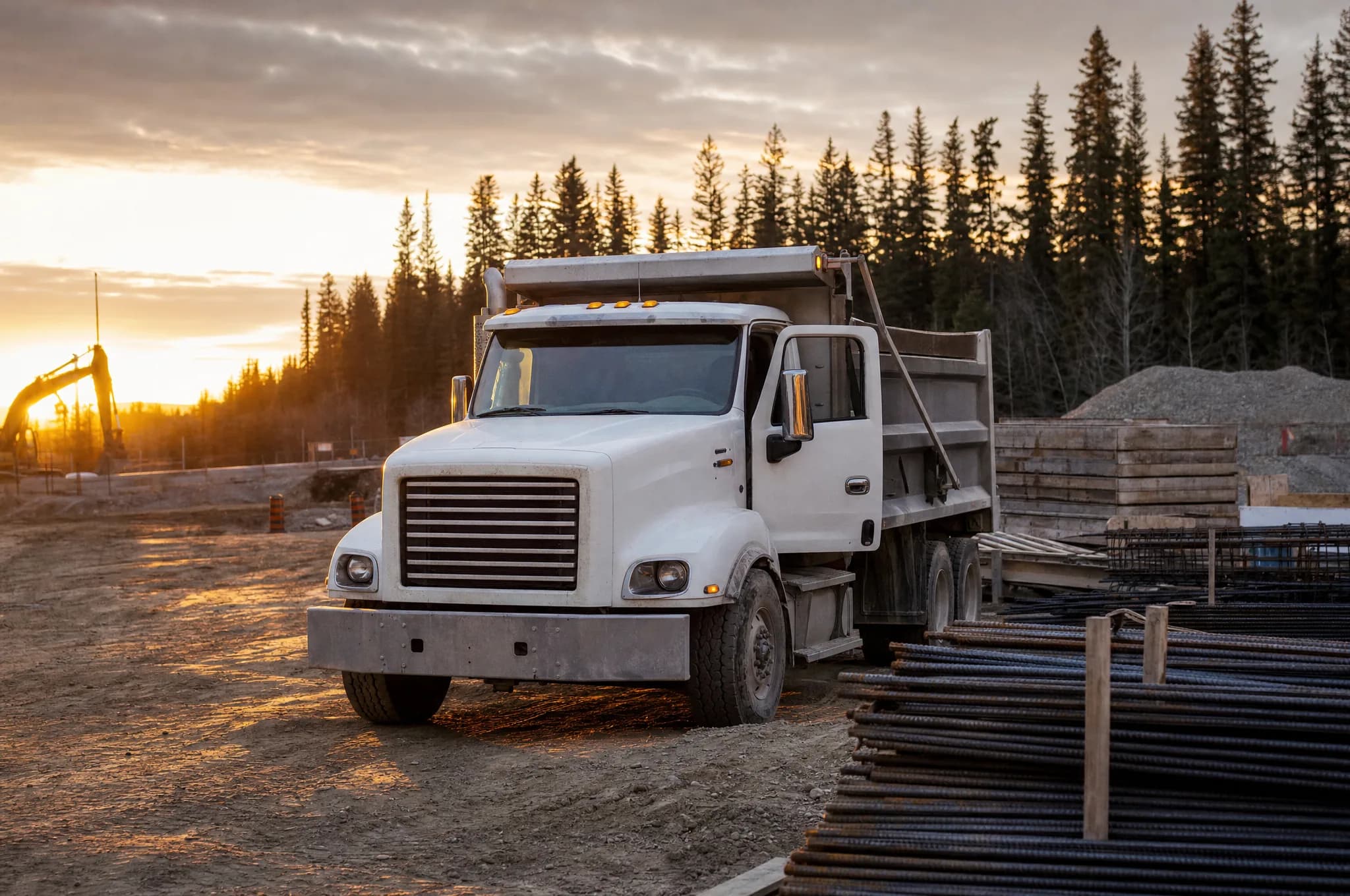
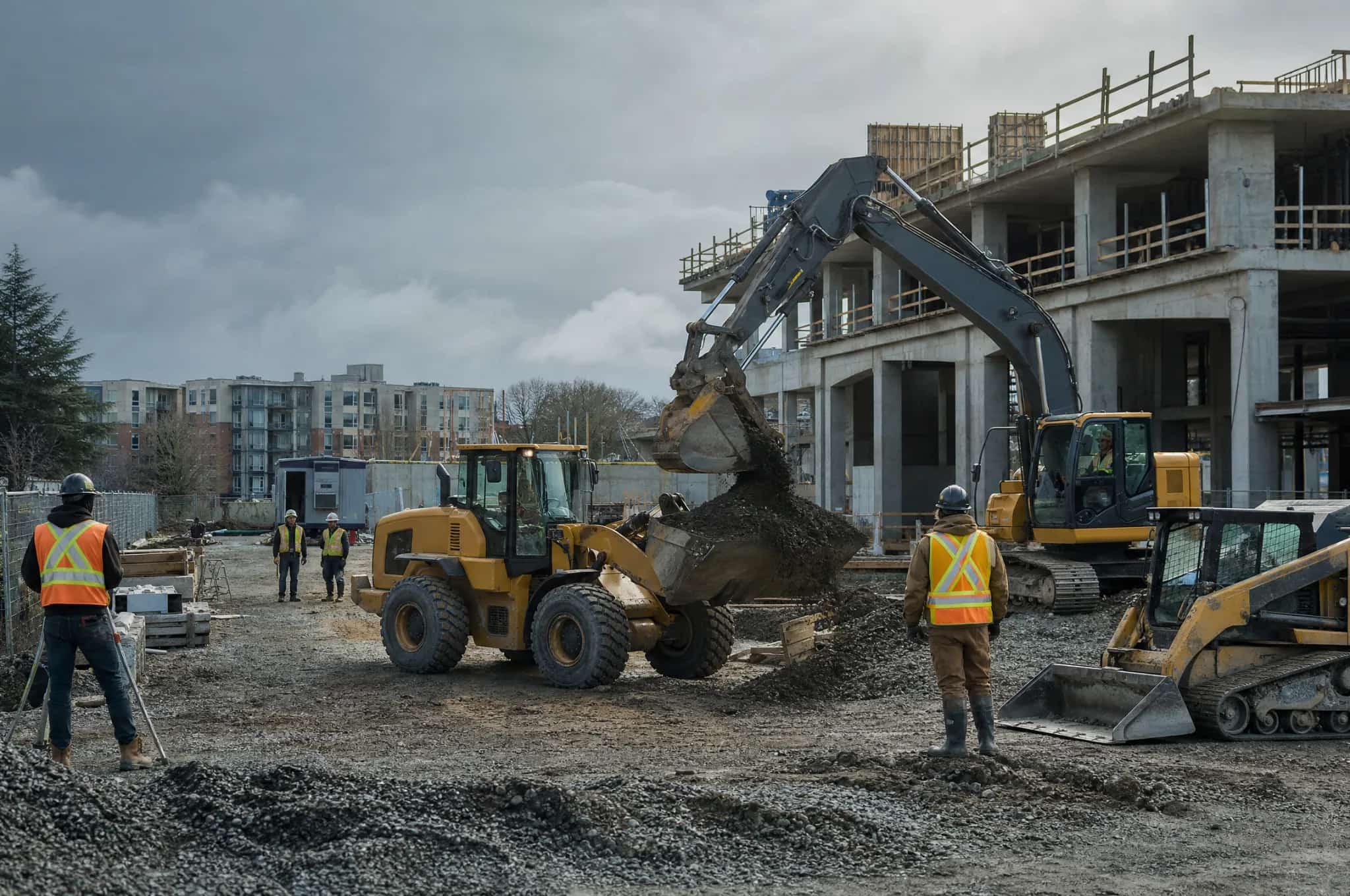
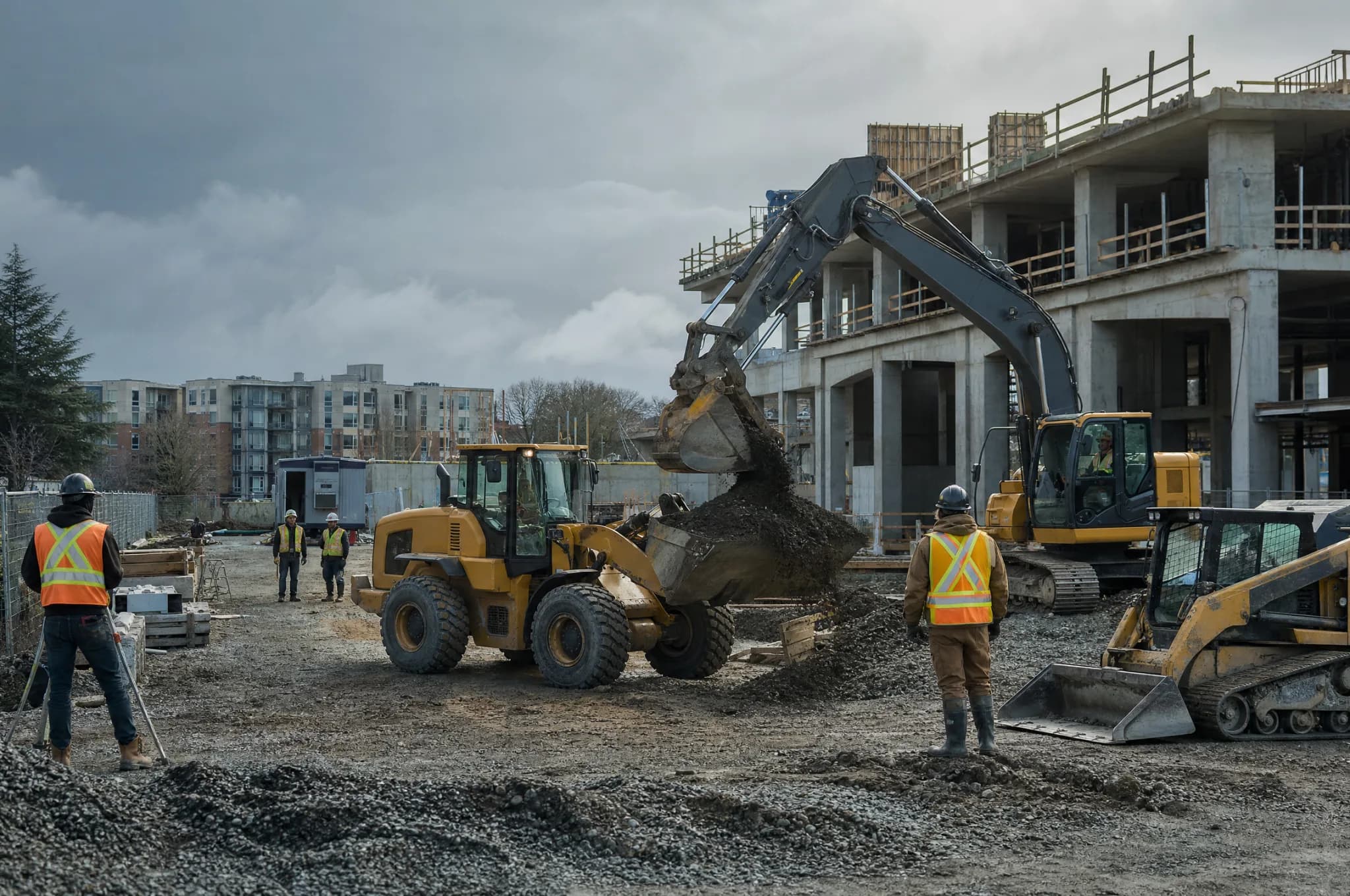
We arrange construction equipment financing through major Canadian banks and specialised leasing institutions, and we structure around how contractors actually earn: progress payments, holdbacks and seasons. Excavators and mini excavators, skid steers, wheel loaders, cranes and lifting equipment, compaction rollers and paving equipment all qualify, new or used, from a dealer or a private sale. Used iron is common in this industry and lenders in our network understand it, so a low-hour machine from an auction or a retiring competitor can be financed on sensible terms rather than treated as an exception.
Why timing matters as much as price
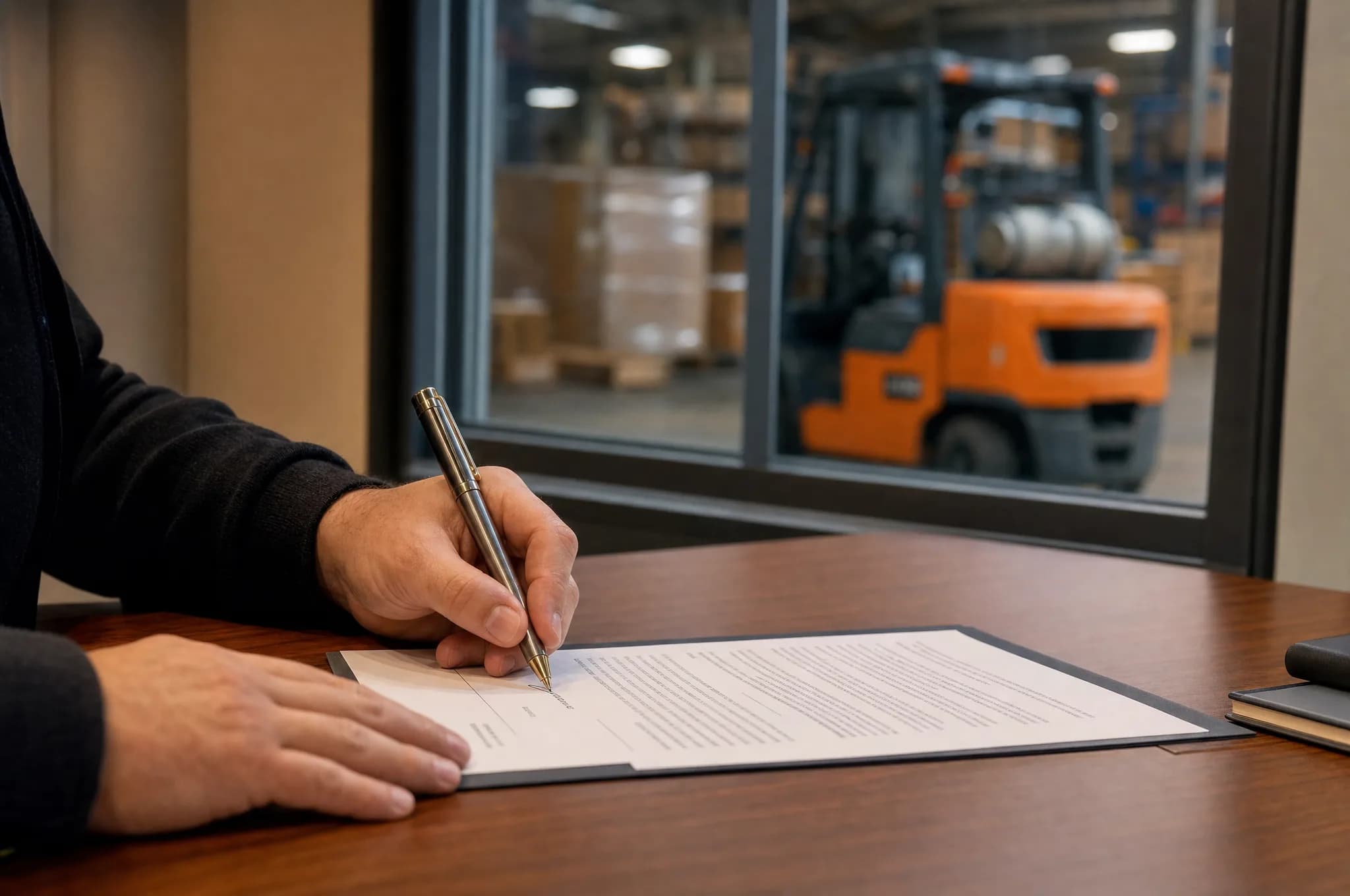
The timing argument matters as much as the price. Winning a contract often means proving you have the equipment before mobilization, and waiting to save up means watching the tender close. A lease construction equipment structure gets the machine on site for the job that justifies it. When the work is seasonal, payments can be too: heavier during the paving season, lighter when the ground freezes. Contractors who own equipment outright can use sale-leaseback to pull working capital back out of the fleet and put it into the next bid.
Emissions tiers and site safety
Emissions tiers and site safety standards keep pushing the industry toward newer machines, and operators prefer them, which affects hiring the same way it does in trucking. Financing heavy equipment on terms matched to its working life means the upgrade happens when the work demands it, not when the bank account allows it. Applications above $250,000 require financial statements, and we tell you up front what lenders will want to see. Which lease structure fits better depends on tax treatment and how long you keep your iron, and we go through both before you commit. Send us the machine and the job, and we come back with terms.
Skid steer financing
A skid steer is usually the second machine a contractor buys and the first one that runs every day. Its versatility is the problem and the argument at once: the attachments that make it useful on grading, demolition and snow work are each a separate purchase, and together they often approach the cost of the machine. Skid steer financing covers the unit and its attachment package on one structure, so the bucket, forks and breaker arrive with the loader rather than a season later. Compact track loaders finance on the same terms. Both are priced against hours rather than years, and the structure should reflect how hard the machine will actually be worked.
Excavator financing and leasing
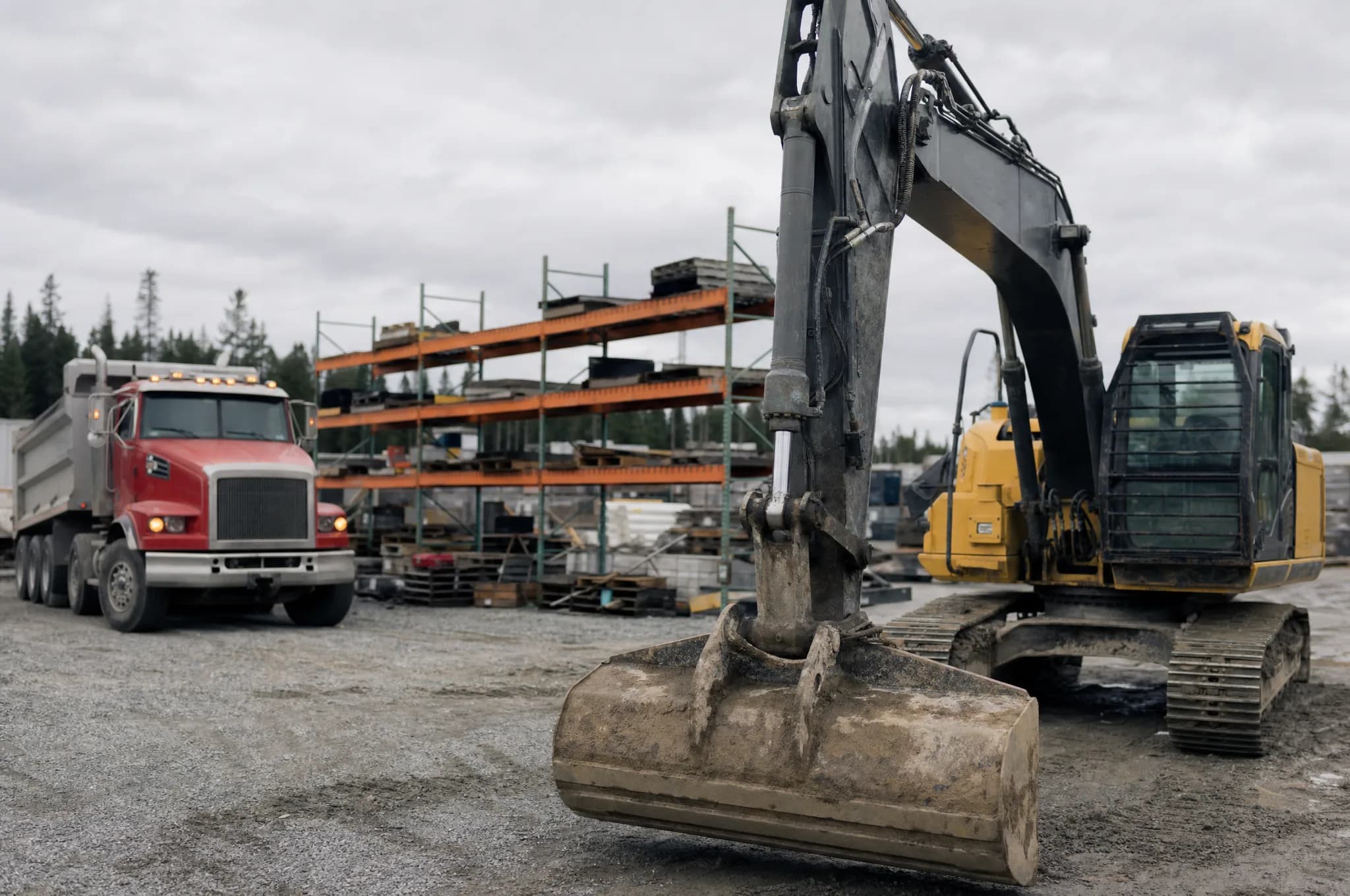
Excavators are the clearest case for financing in this sector because the machine outlives any single contract. A mini excavator on utility and landscape work and a full-size unit on earthmoving are different financial decisions: the small machine turns over faster and often suits a shorter structure, while the larger unit earns across years and carries a resale value worth building the terms around. Excavator leasing suits contractors who want the machine matched to a known project window; financing to own suits those with steady volume. Both keep the capital that would have bought the machine available for mobilisation, fuel and payroll.