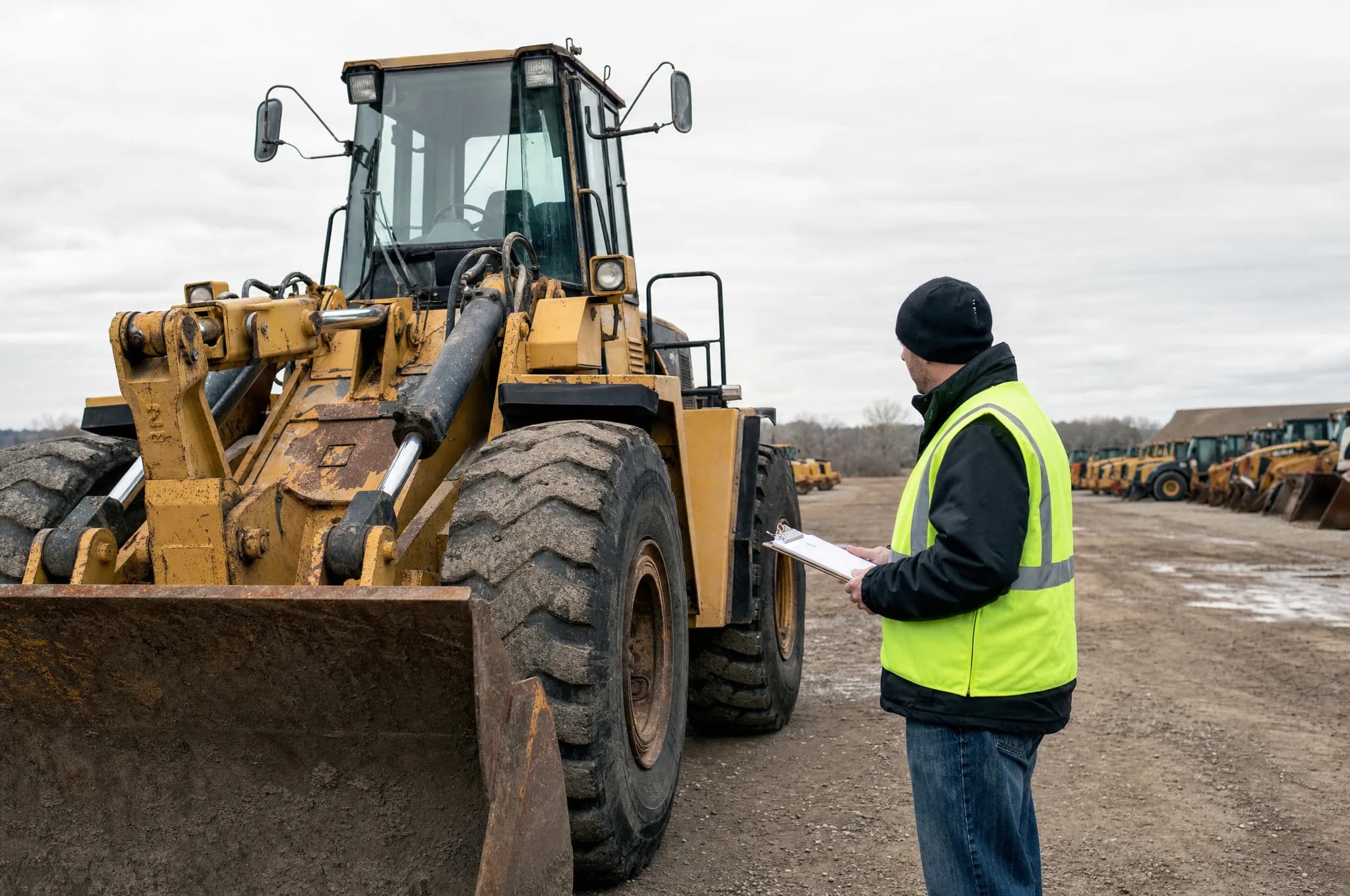
How used assets are underwritten
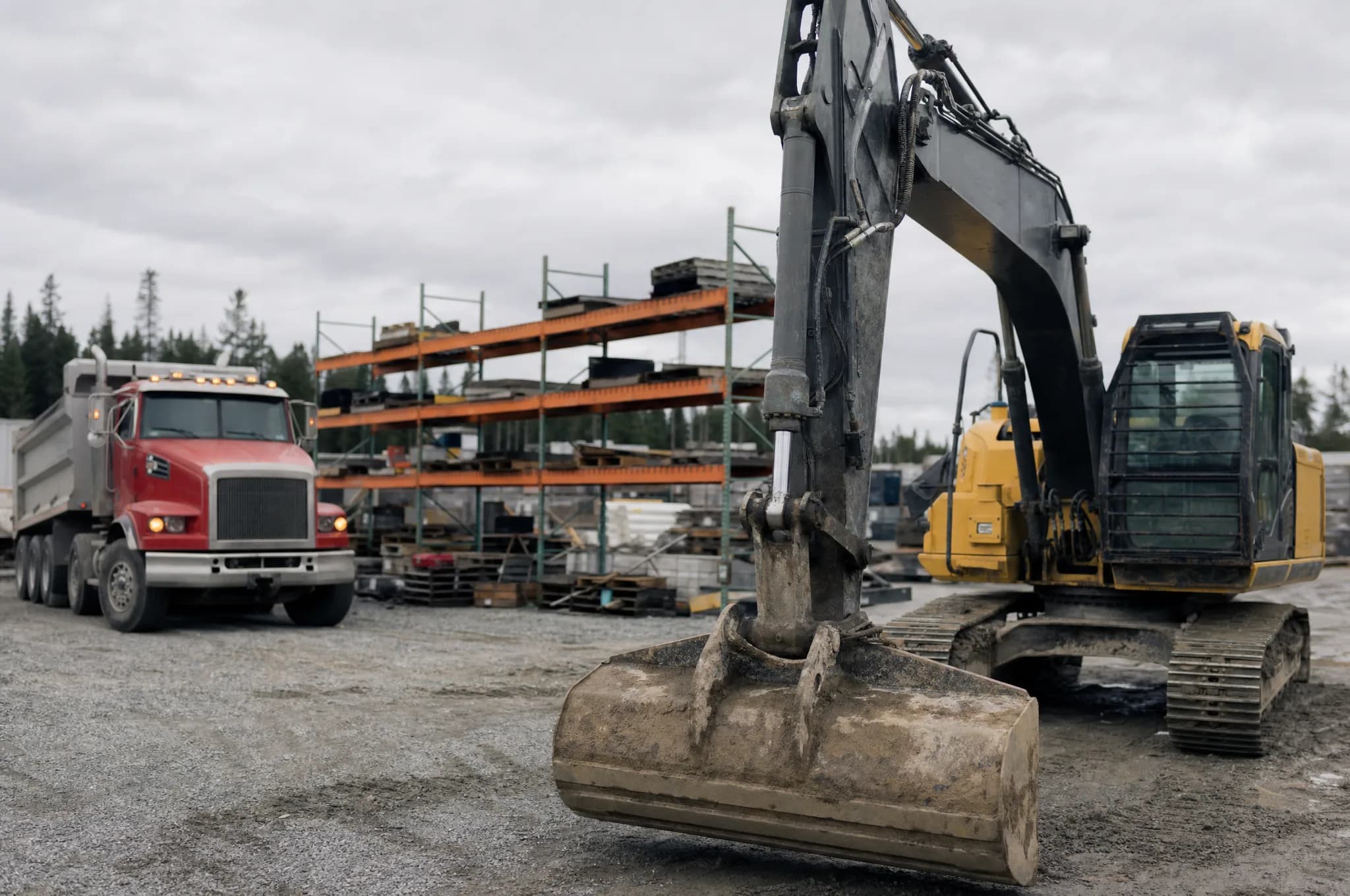
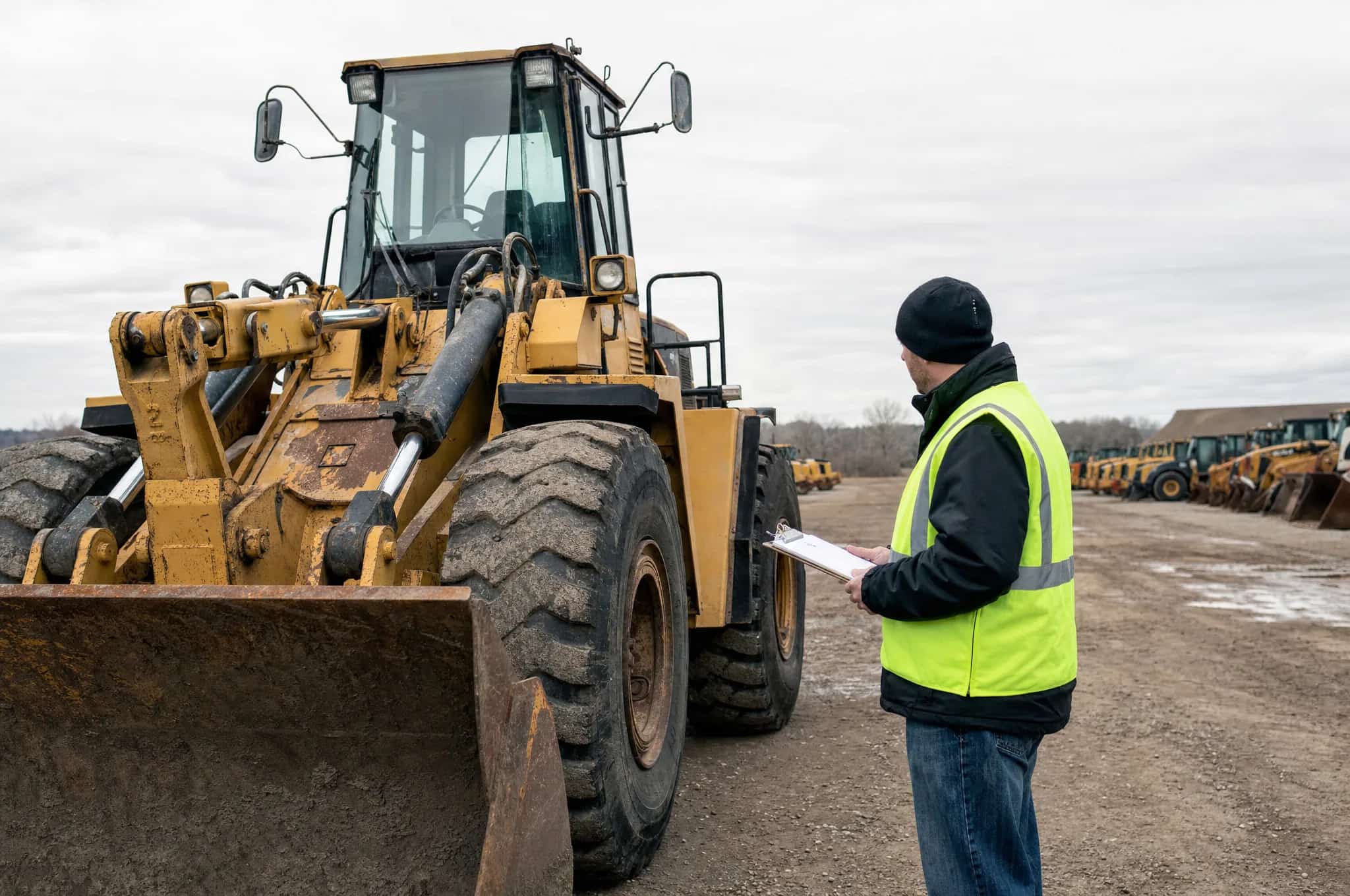
The underwriting on used assets is different, and knowing how it works helps you buy better. Lenders advance against the machine's remaining working life, so the questions are concrete: model year, hours or mileage, maintenance records, and condition. A documented service history is worth real money here; the binder of work orders that a seller waves at you is precisely what turns a marginal file into an approved one. On tracked equipment the undercarriage percentage matters, on reefers the refrigeration unit's hours, on trucks the ECM report. Where an inspection strengthens the file, we will tell you before you buy, not after.
Liens on private sales and auction buys
Private sales and auctions carry a risk that dealer purchases do not: existing liens. A machine can look free and clear while a lender's security interest from the previous owner still registers against it under the PPSA or RDPRM. On every private and auction purchase we run the lien search, and where prior security exists we pay it out from the proceeds so the asset transfers to you unencumbered. That step alone has saved buyers from purchases that would have gone very badly.
Who buys used
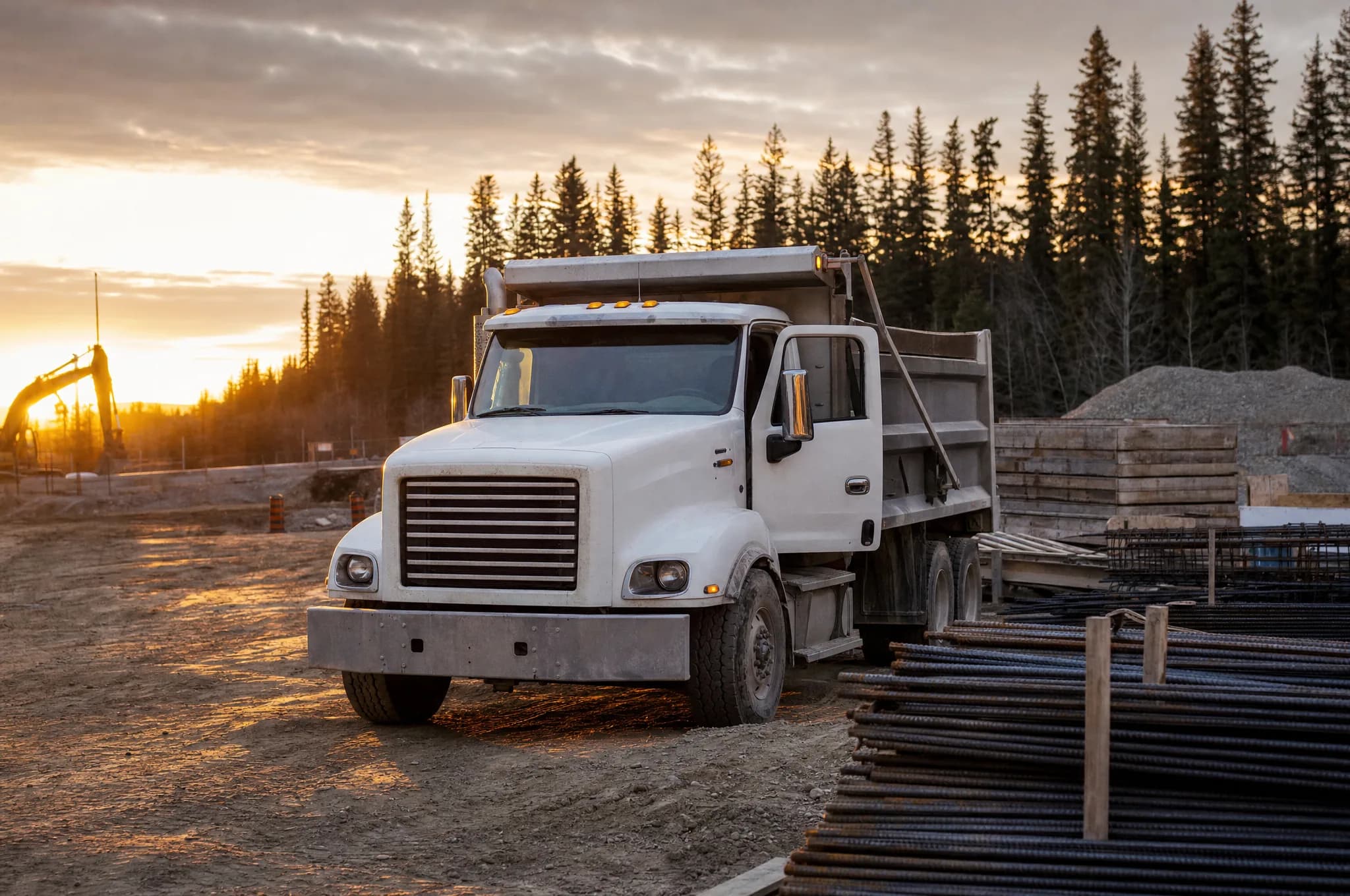
Who buys used? Contractors matching iron to a contract's budget, startups whose capital is better spent on operations than on new-equipment depreciation, farms expanding at auction, and carriers adding mid-life tractors and trailers. Structures follow the asset: a $1-buyout lease with capital cost allowance for machines you will keep, or an operating lease keeping in-term payments deductible. Terms are set against remaining useful life, which is the honest way to finance an older asset.
How the application works
The application is our standard three steps: identification, owner information, then the unit with serial or VIN, hours and the seller's details. Many used files price below the $250,000 statements threshold and are decided application-only. If the machine is a specific class, our truck, trailer, heavy equipment and farm pages describe the asset-level detail; this page is the route when the deciding fact about your purchase is that it is used equipment at a used price, and a used equipment leasing priced on its actual condition.