What we finance, and who funds it
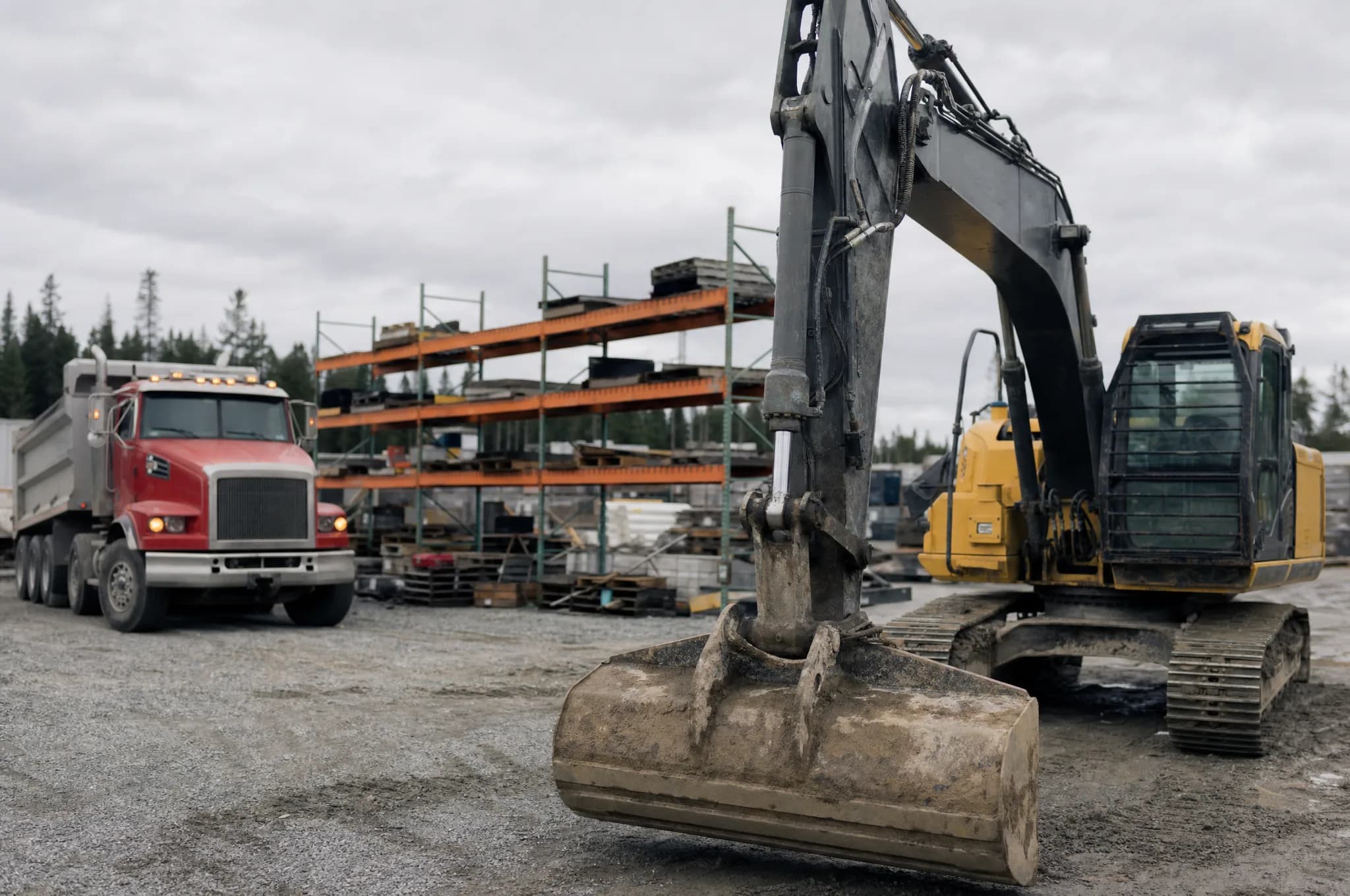
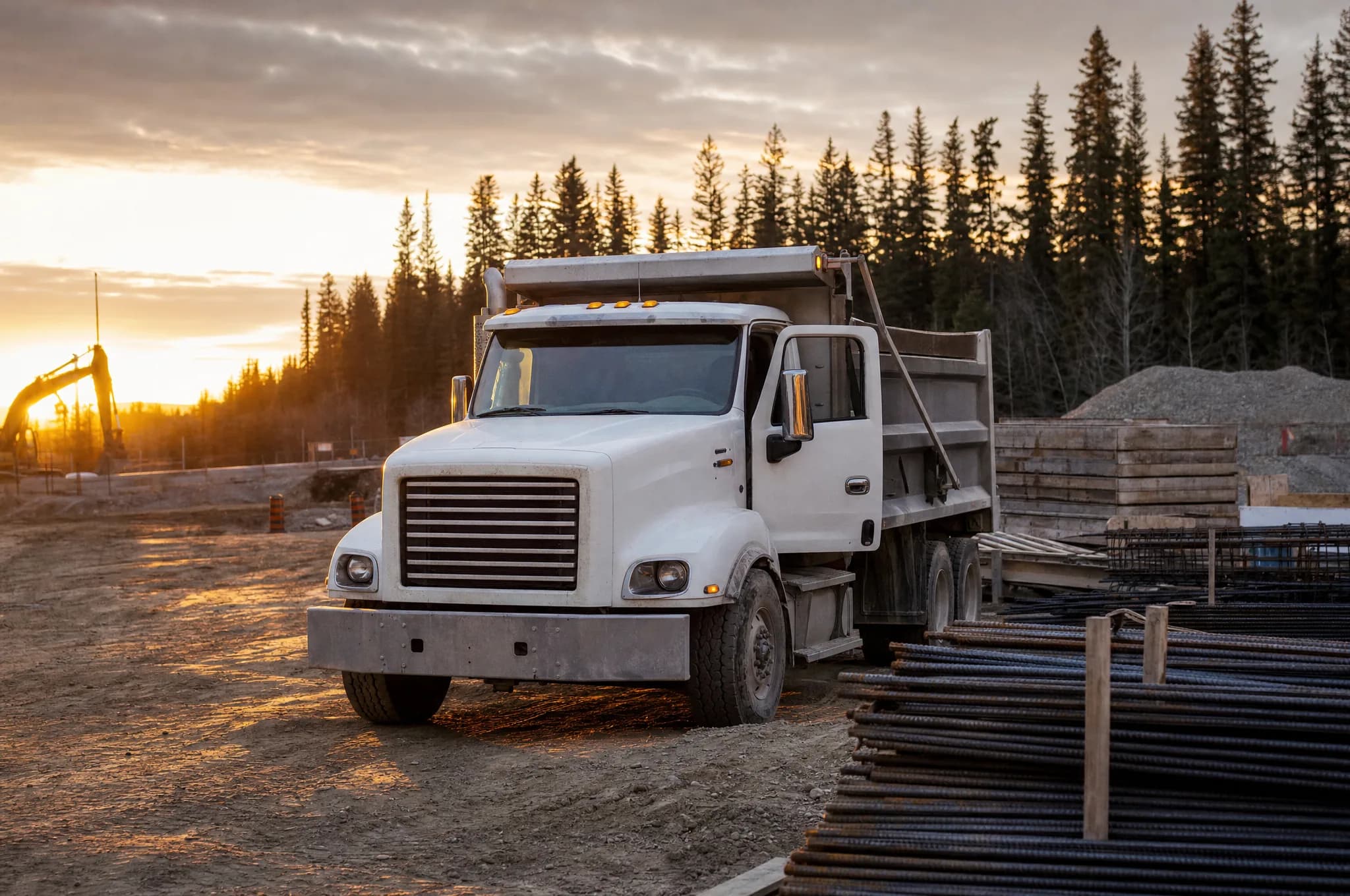
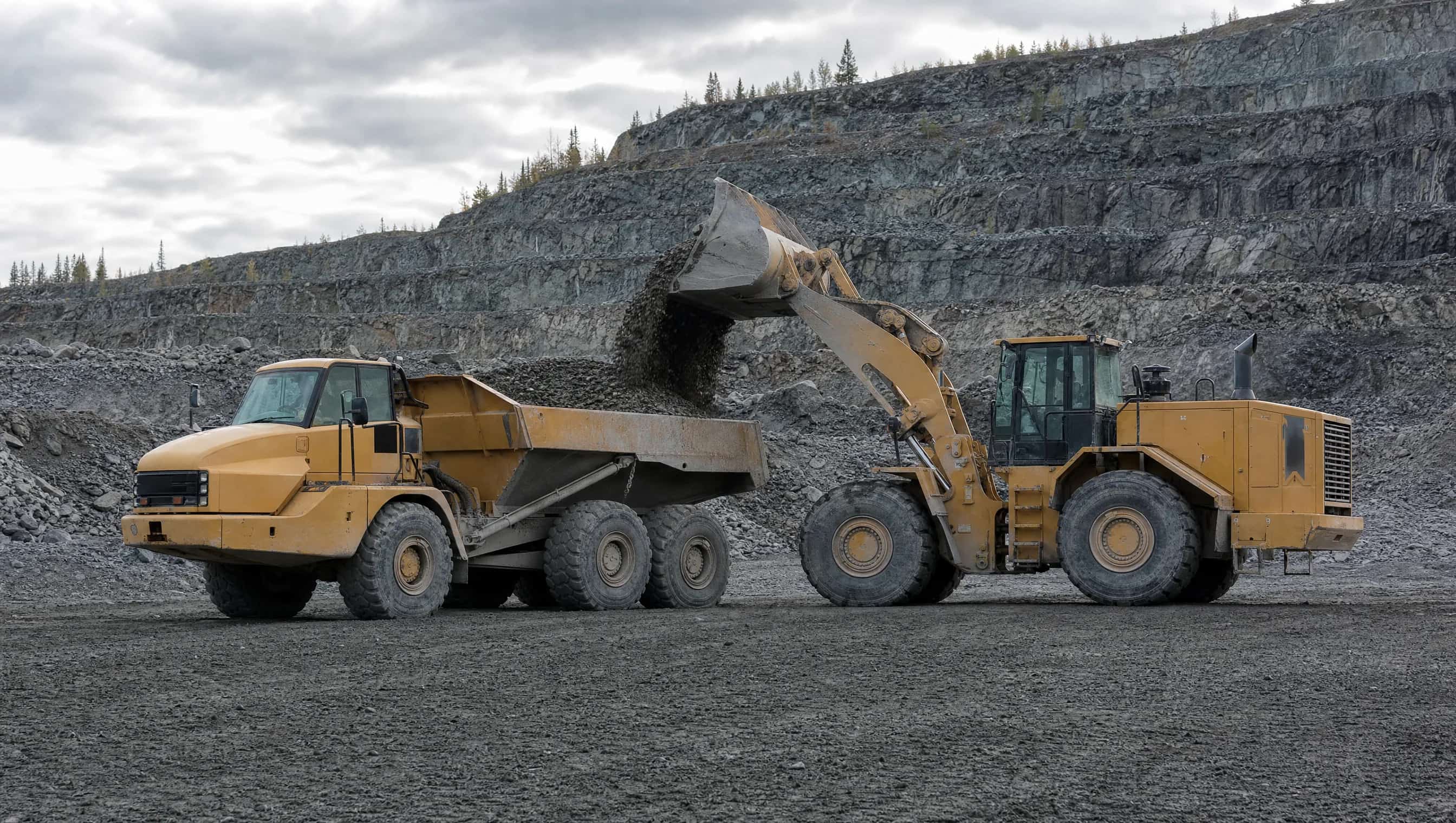
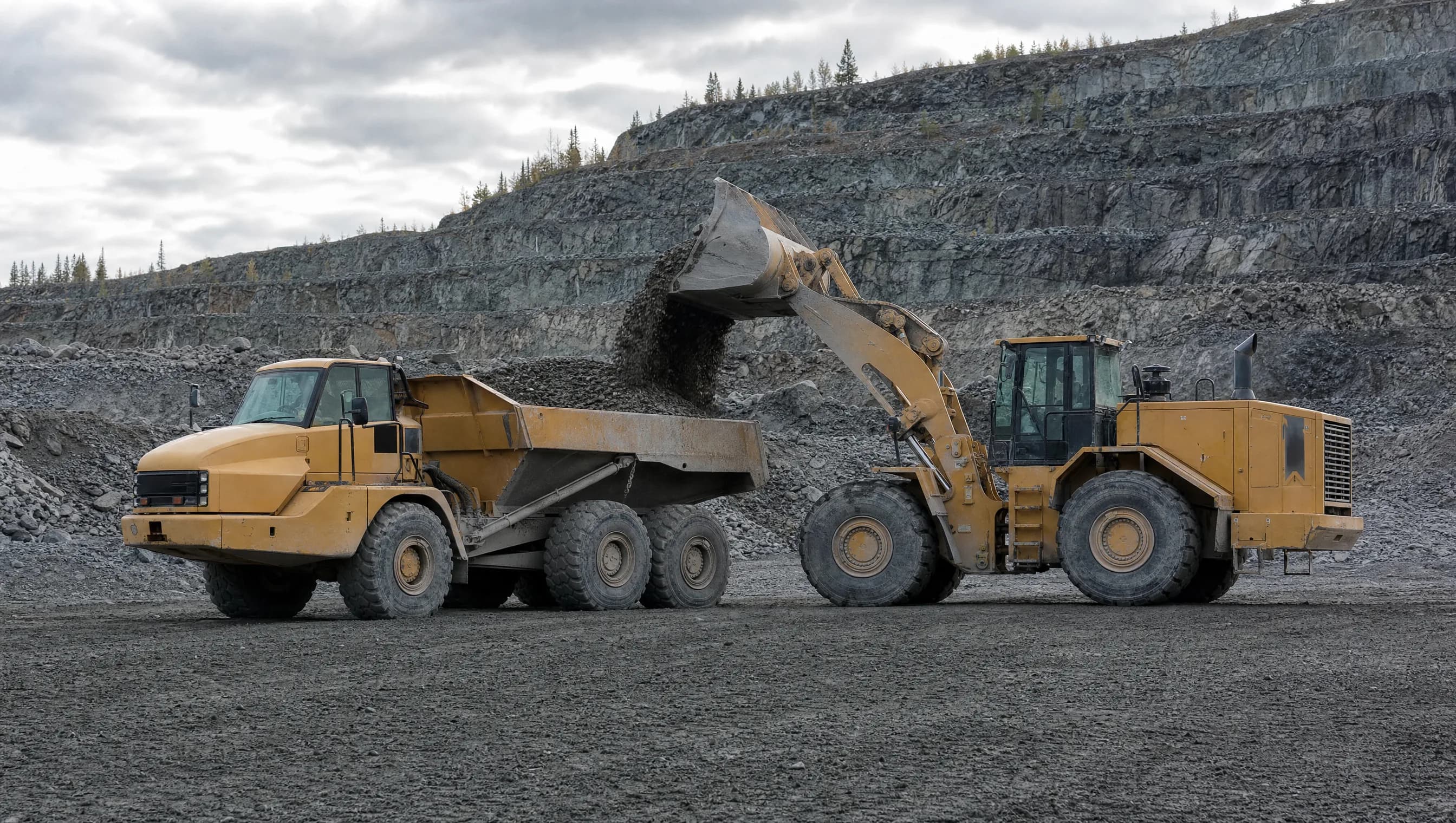
We arrange mining equipment financing through major Canadian banks and the specialised leasing institutions that understand resource assets. Haul trucks and articulated dump trucks, crushers, screens and conveyor systems, underground loaders and drills, exploration and site support fleets, and full processing plant upgrades all qualify. New equipment from a dealer and quality used iron both work, and used is normal in this sector: a low-hour machine coming off a closed site is often the better buy, and lenders in our network price it on condition and hours rather than treating it as an exception.
Structures that survive a commodity cycle
The hardest part of mining finance is not the asset, it is the cycle. Payment structures can be built to breathe with production: heavier through strong quarters, lighter when a pit is in stripping or a mill is down for a rebuild. Terms are set against the machine's rated life in the application rather than a generic schedule, because a loader in an underground drift and the same model on a surface stockpile will not age the same way. Where an operator already owns equipment outright, sale-leaseback converts that iron into working capital without interrupting production.
Remote sites, long lead times and staged delivery
Mining equipment rarely arrives in one piece on one day. Components ship on long lead times to sites that may be fly-in, assembly happens on the ground, and commissioning can run weeks past delivery. Financing can be staged to follow that reality, so progress payments to the manufacturer are covered while the asset is still being built, and the full payment schedule begins when the machine is actually earning. That alignment matters more here than in any other sector we finance.
What lenders want to see
Applications above $250,000 require financial statements, which in practice covers most equipment in this sector. Beyond the statements, lenders look at the life of the operation against the term of the structure, the offtake or contract position behind the production, and the resale market for the specific machine. We name those requirements at the start instead of letting a file stall in underwriting. Describe the machine and the operation it works in, and you get back terms from lenders who price resource assets as a matter of routine.