What we finance, and who funds it
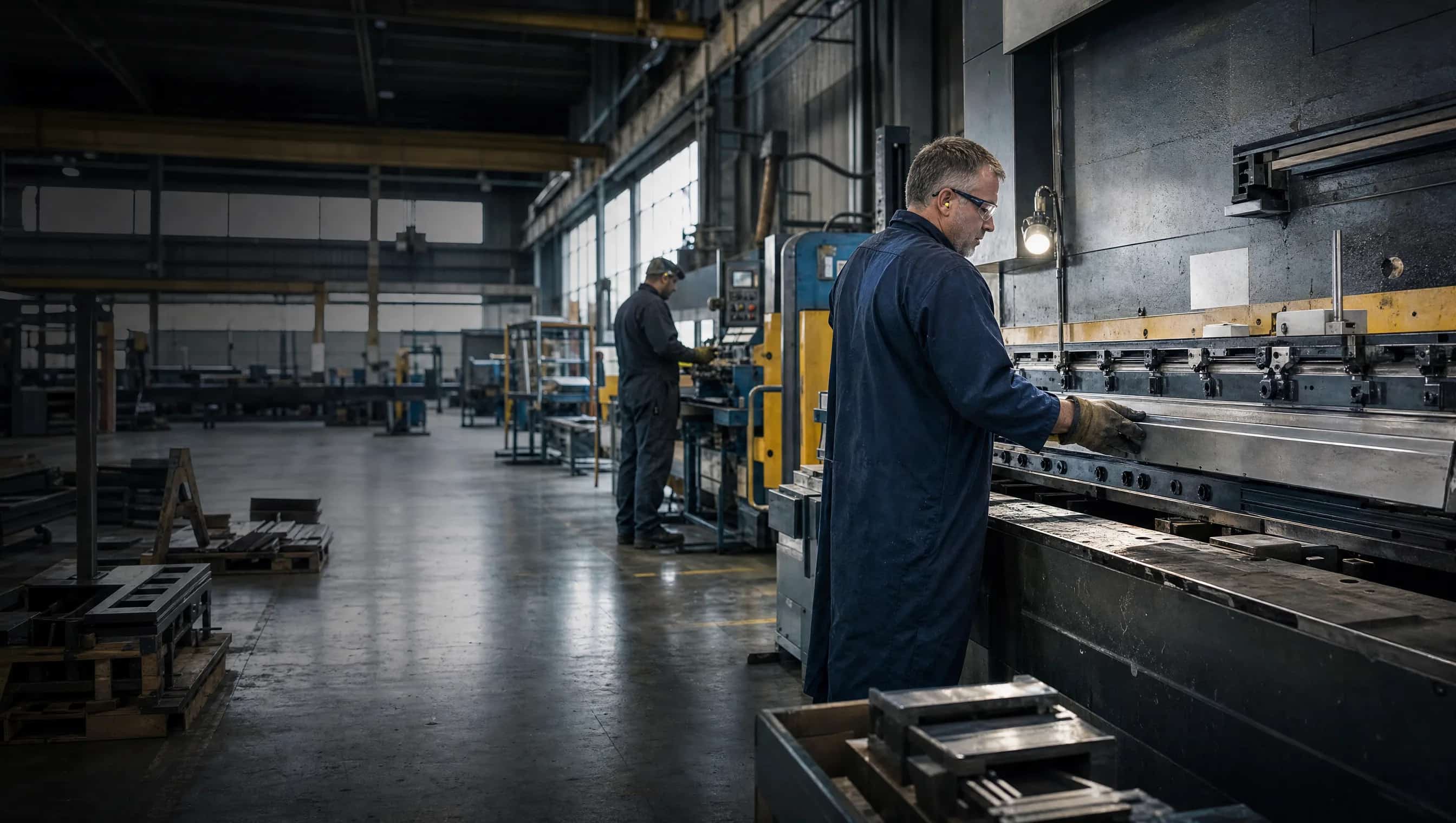
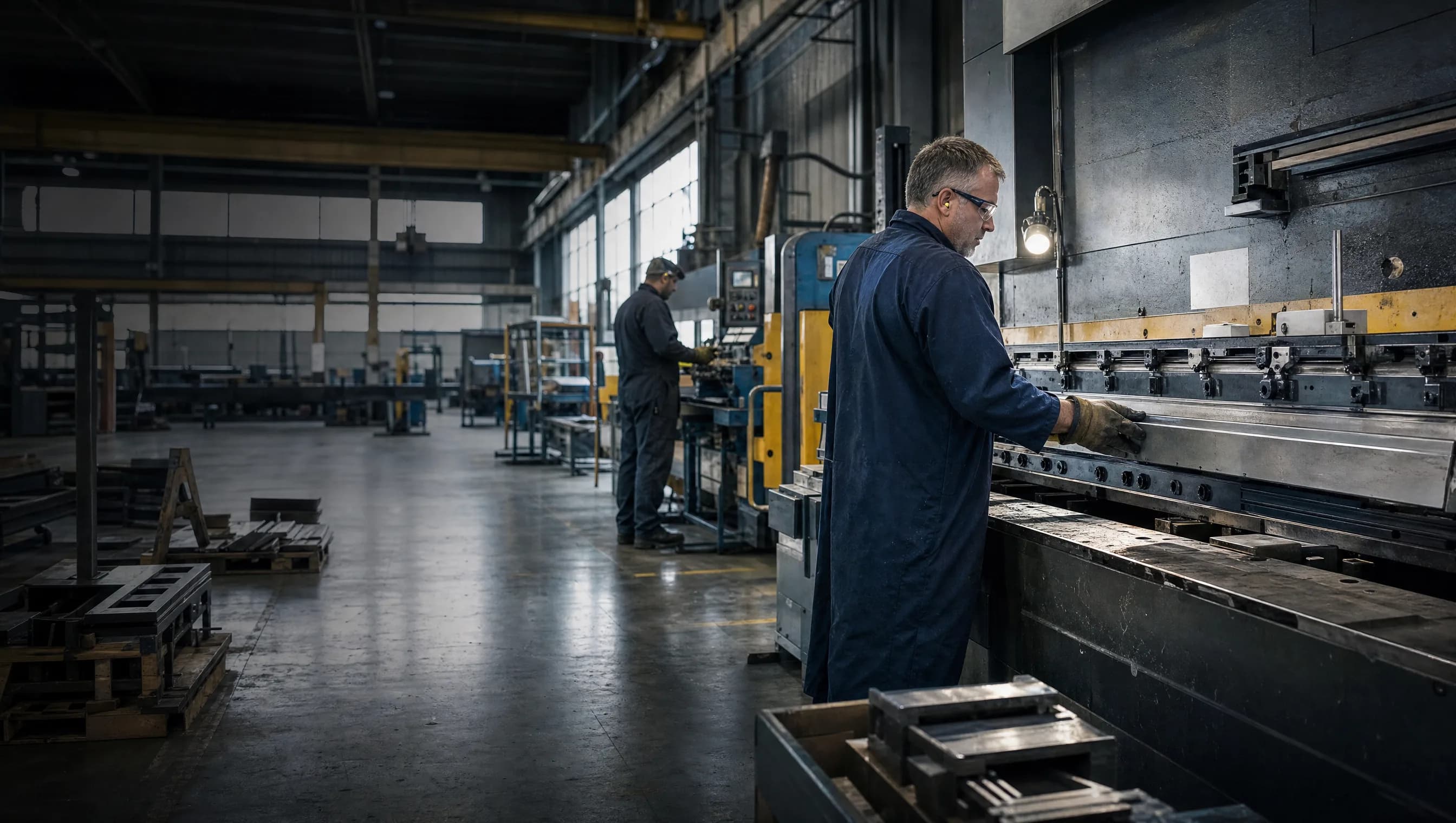
We arrange manufacturing equipment financing through a network of major Canadian banks and specialised leasing institutions, covering production and assembly lines, presses and metal-forming equipment, packaging and labelling lines, and robotics and automation. New or used, from a dealer, an integrator or a private sale, including complete lines bought from a plant that is retooling or closing. Installed systems with rigging and integration costs can be structured into the same financing, which matters because for automation the machine itself is often only part of the invoice.
Cost per unit decides the bid
The competitive logic is blunt. Manufacturers compete on cost per unit, and cost per unit is set by the equipment. A shop running a decades-old press against a competitor's servo press loses a little margin on every part, forever. Automation has the same shape: labour is scarce and expensive across Canadian manufacturing, and a robot cell that runs a third shift unattended changes the economics of the plant. Waiting until the capital is saved means conceding those years of margin to whoever financed and moved first.
Protecting working capital
Financing also protects working capital for what equipment cannot do: raw material, inventory and receivables all consume cash as the plant grows, and growth is exactly when equipment purchases happen. Manufacturers who own equipment outright can use sale-leaseback to pull capital out of the floor and into operations. Business equipment leases both remain on the table, with the choice usually driven by tax treatment and technology refresh plans; equipment that becomes obsolete quickly often argues for a lease structure. Applications above $250,000 require financial statements, and larger projects have a dedicated path through our large-project division. Send us the equipment list and we come back with terms from lenders who finance Canadian manufacturing every day.
Generator financing
A generator is bought for the hours it prevents from being lost. For a plant running continuous process equipment, an outage is not an inconvenience; it is scrapped work in progress, a cold start and a missed shipment. That makes standby power one of the few purchases whose return can be stated plainly, and it is why generator financing is usually approved against the production it protects rather than the asset alone. Prime-power units for sites without reliable service and standby sets for plants that simply cannot stop both qualify, new or used, and the installation and transfer switch can be included in the same structure.