What we finance, and who funds it
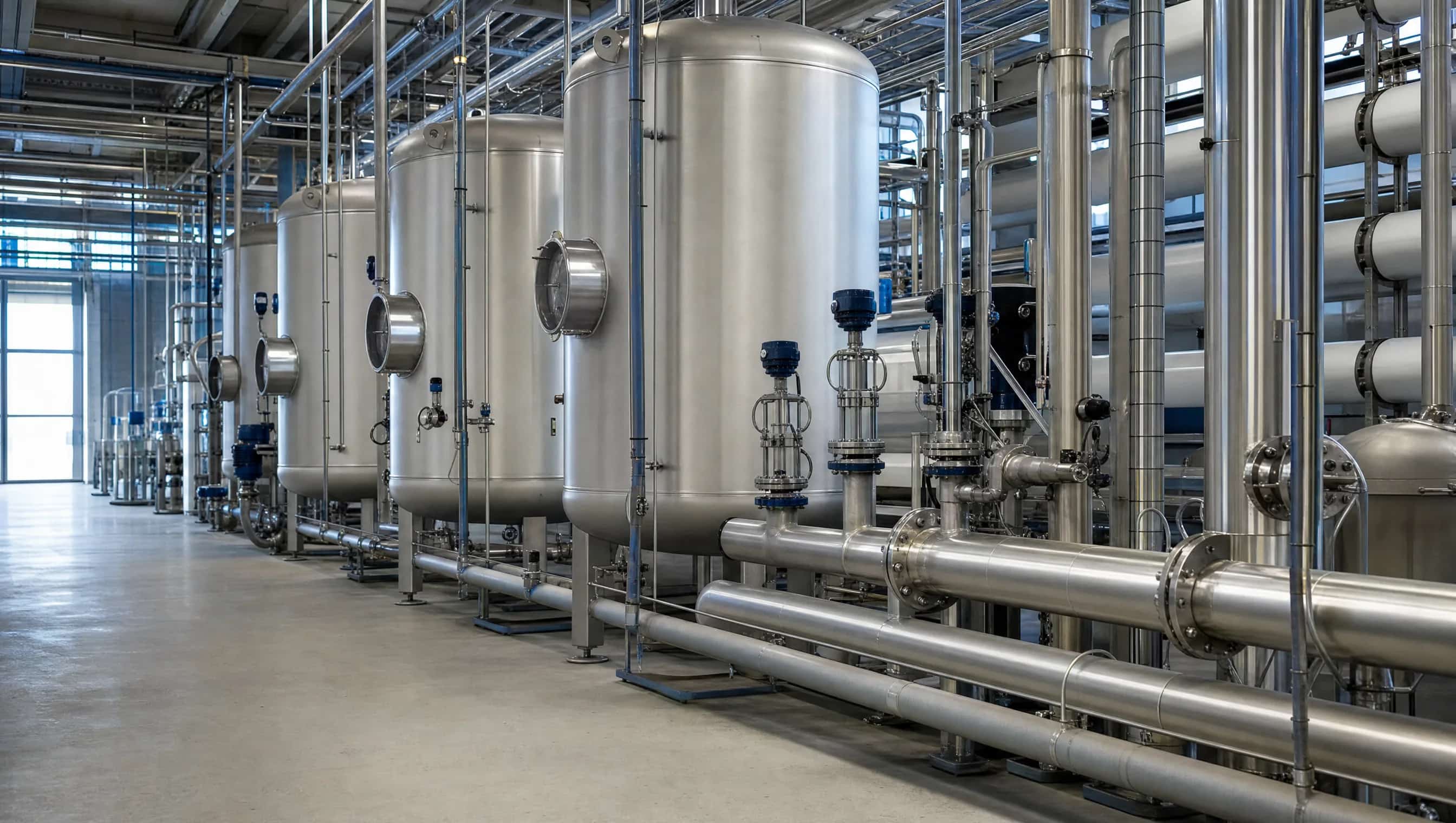
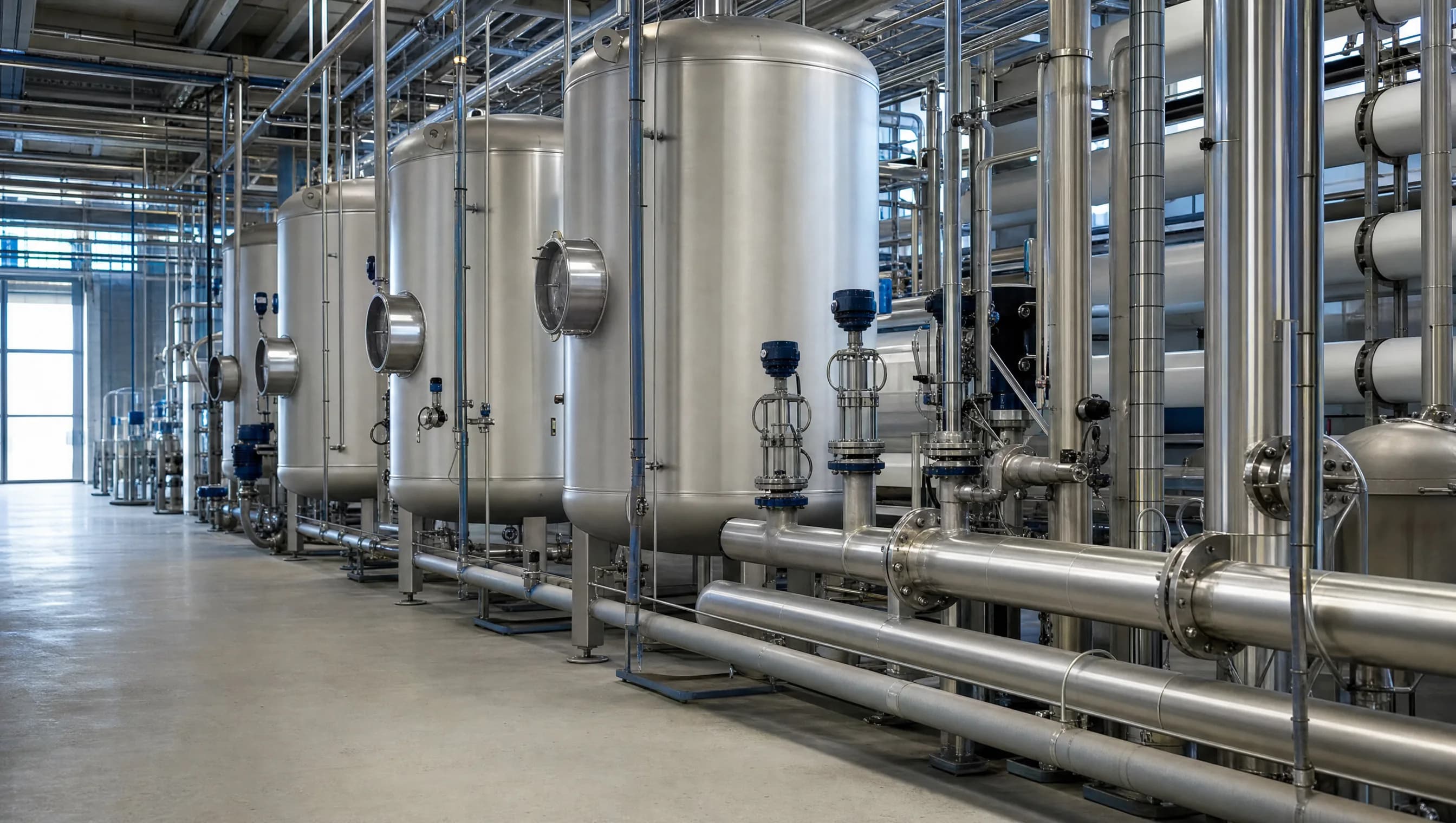
We arrange water and wastewater treatment equipment financing through major Canadian banks and specialised leasing institutions. Filtration and membrane systems, pumps, blowers and aeration equipment, clarifiers, presses and dewatering units, chemical dosing and control systems, and containerised or mobile treatment plants all qualify. New and quality used both work. A treatment train can be financed as one structure rather than component by component, which matters when a system only functions assembled and no single piece earns anything on its own.
Compliance deadlines set the timetable, not the budget cycle
The distinguishing pressure in this sector is that the deadline is external. A tightened discharge limit, an expiring permit or a consent order arrives with a date attached, and the capital plan has to meet it whether or not the fiscal year agrees. Financing is how most operators bridge that gap: the system is installed to the regulatory timetable and paid for over the years it serves, instead of the project waiting for a budget that arrives too late to matter.
Industrial process water, not just effluent
Treatment capital is not only about what leaves the site. Process water quality drives yield and product consistency in food, beverage, pharmaceutical and electronics manufacturing, and recovery systems that let a plant reuse its own water cut both the intake cost and the discharge volume at the same time. Those systems have a return that can be stated in dollars per cubic metre, which makes them among the more straightforward equipment files to put in front of a lender.
Terms matched to a twenty-year asset
Treatment infrastructure outlasts almost everything else on a site, and the structure should respect that rather than compressing a long-lived asset into a short schedule. Terms are set against service life, and where flow swings with production the schedule can swing with it. Applications above $250,000 require financial statements. Describe the system and the permit it has to satisfy, and we price it against the obligation it discharges.