What we finance, and who funds it
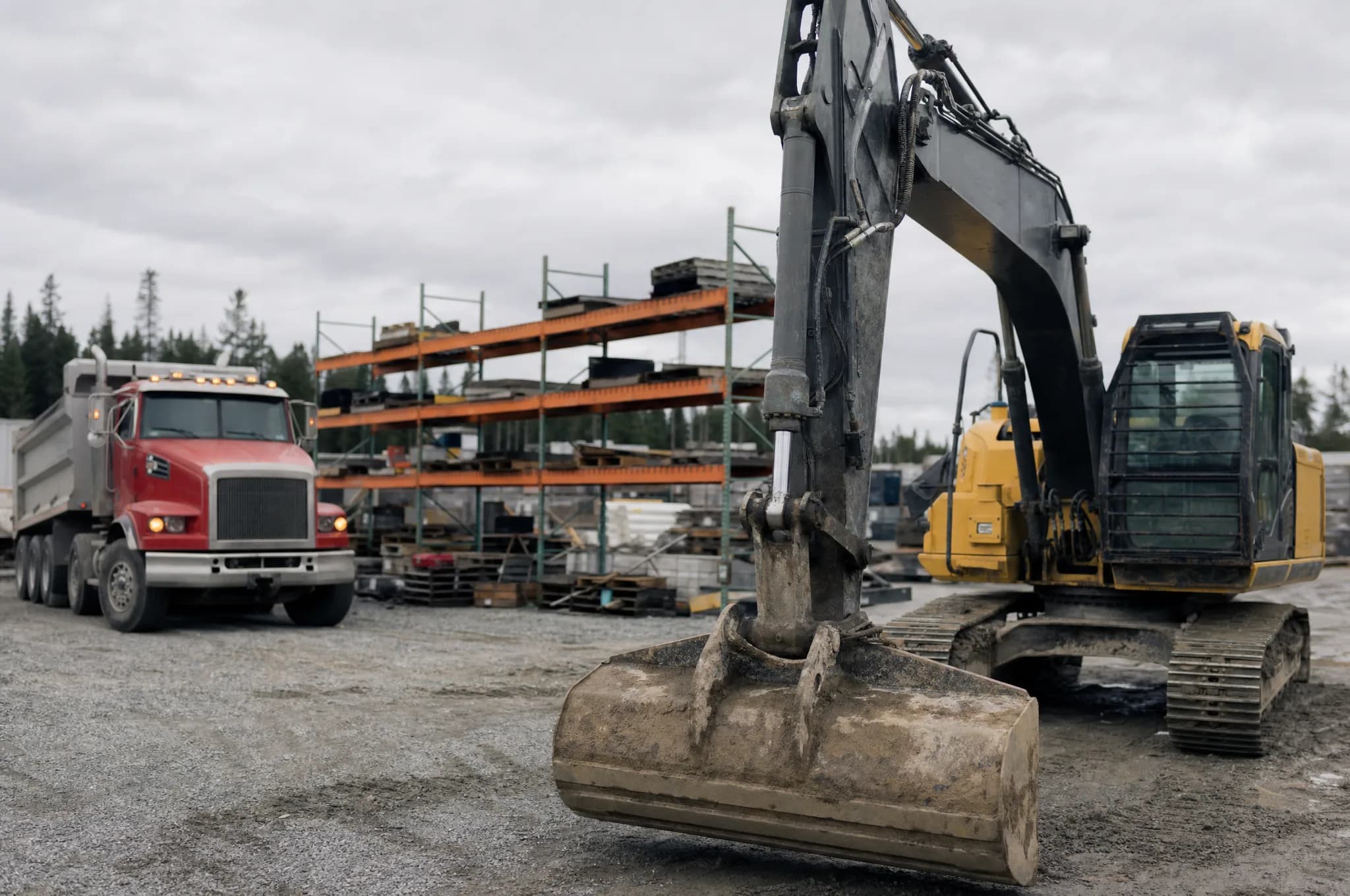
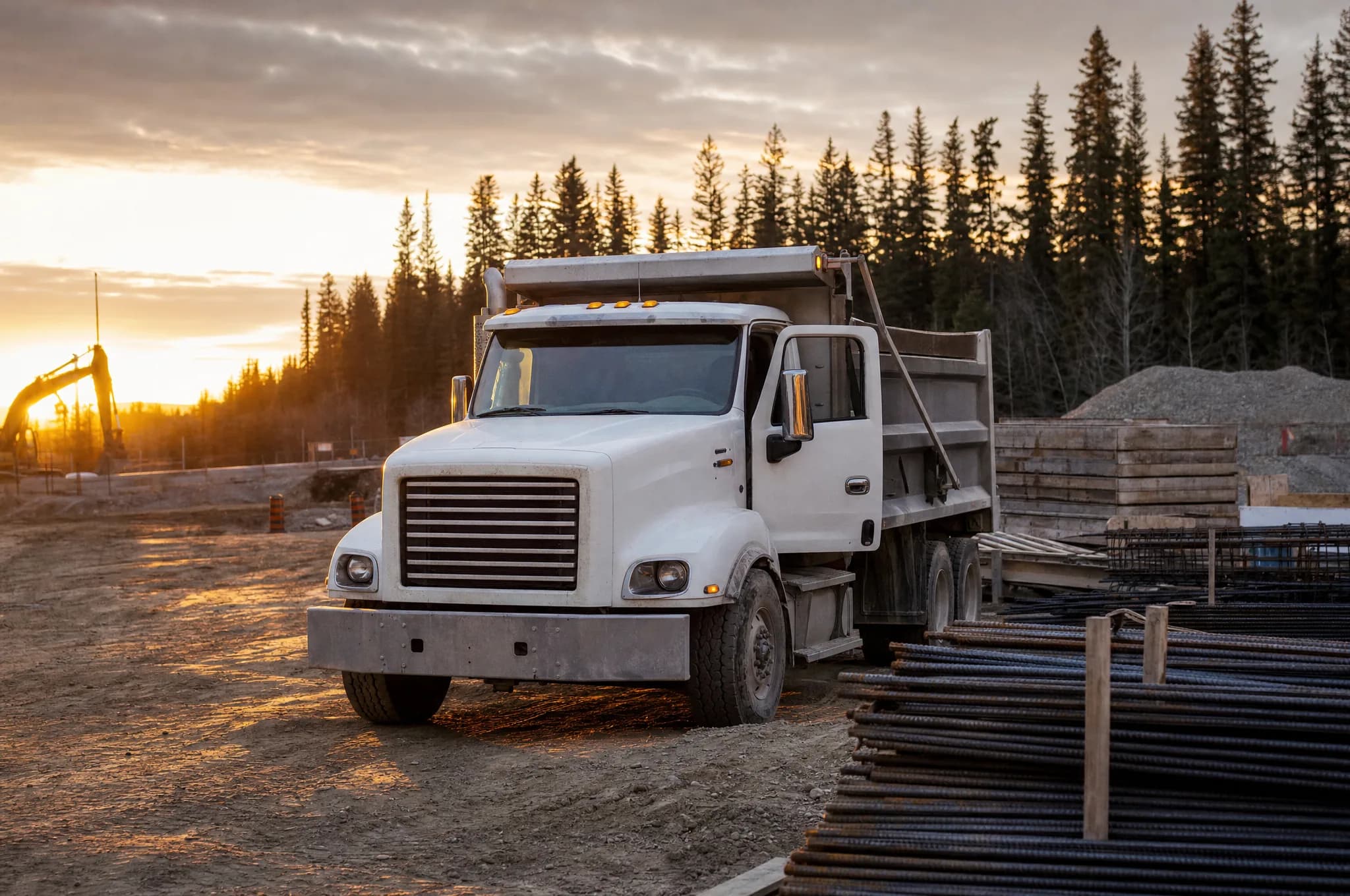
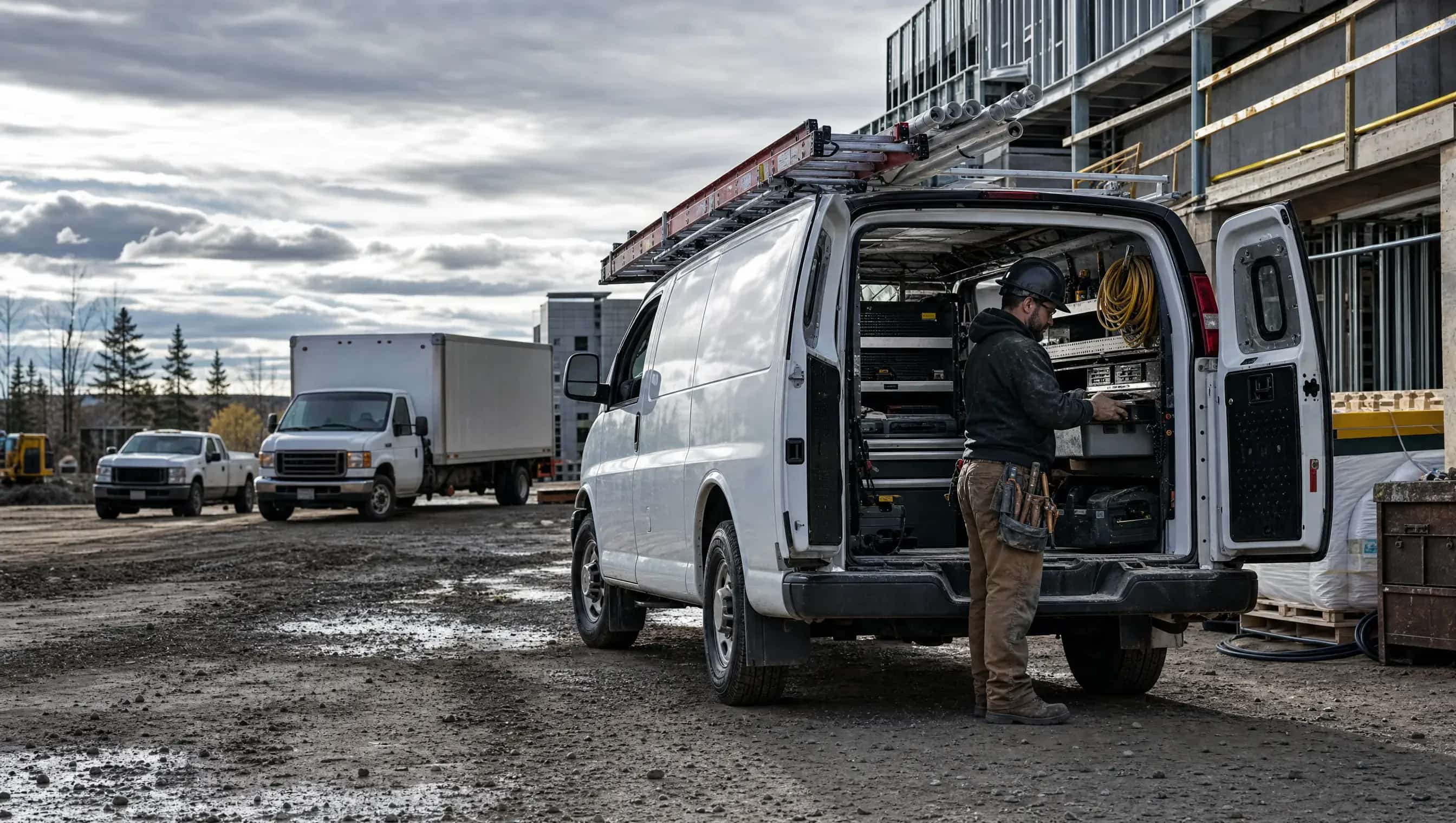
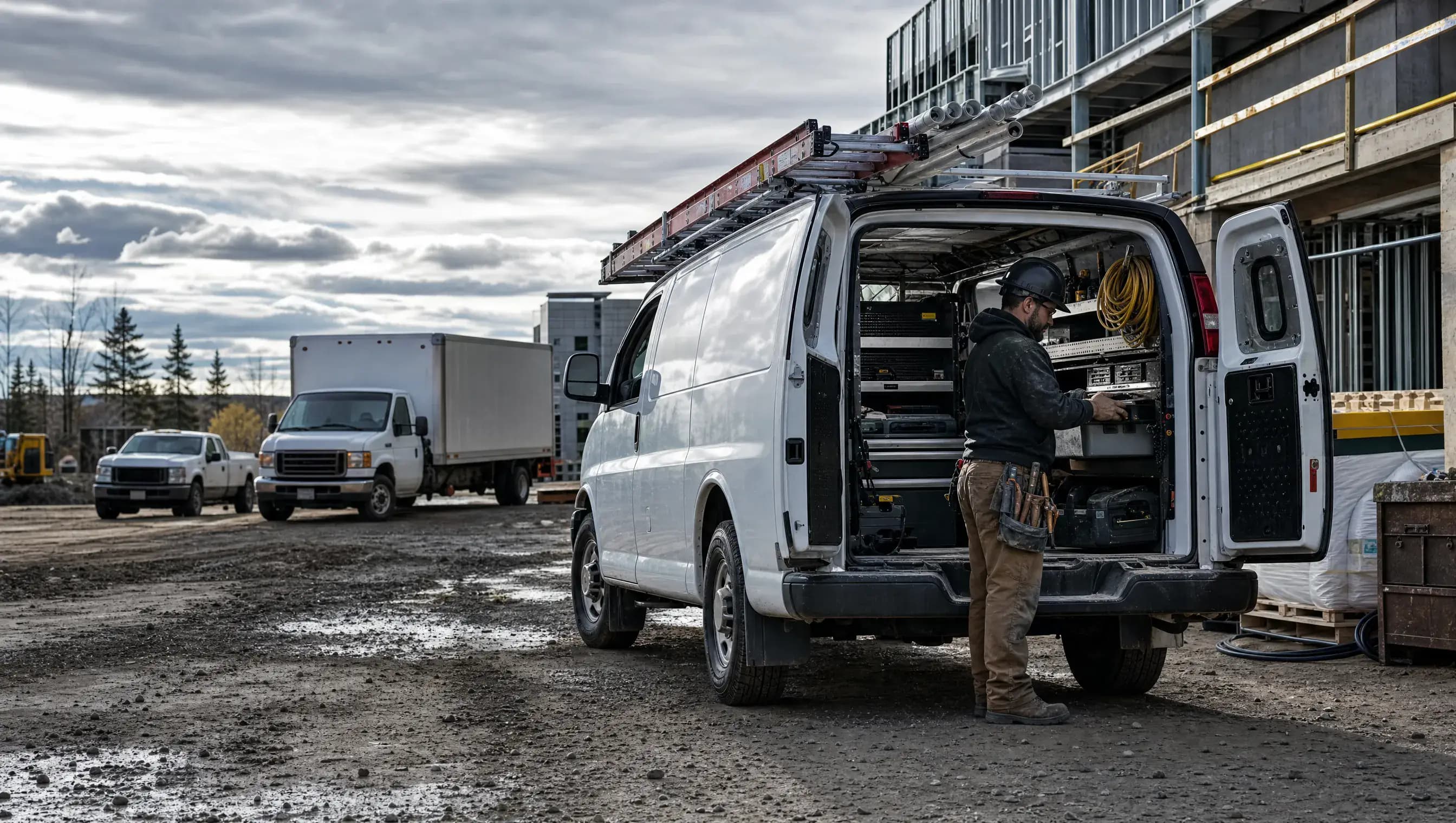
We arrange commercial vehicle financing through a network of major Canadian banks and specialised leasing institutions, covering cargo and service vans, service-body and utility trucks, specialty and vocational vehicles, and multi-unit fleet programs. New vehicles from a dealer and clean used units both qualify, and upfit costs, shelving, racking, lift gates, cranes and wraps, can be built into the same financing. That matters because a bare chassis is not a working vehicle: for many trades the upfit is a meaningful share of the total cost, and financing it separately from the truck it is bolted to makes no sense.
Fleet growth is the natural moment to finance
Fleet growth is the natural moment to finance. Each new service van typically follows a hired technician or a signed contract, so the revenue that justifies the vehicle is identifiable before the vehicle arrives, and the monthly payment can be weighed directly against it. Multi-unit programs take this further: a company standing up several vehicles at once, for a new territory or a new contract, gets one structure and one payment instead of a pile of separate contracts. Seasonal businesses, landscaping, snow removal and construction services among them, can match payments to their earning months.
The economics of replacing a tired vehicle
Replacing tired vehicles has its own economics. Downtime on a service truck cancels appointments and idles a paid crew, and repair costs on aging units climb past the payment on a newer one. Companies that own their fleet outright can use sale-leaseback to turn parked equity into working capital. Applications above $250,000 require financial statements; single-van additions usually stay below that line and move on lighter paperwork. Both lease structures remain open, decided by mileage plans and tax treatment. Tell us what the fleet needs next, and we come back with terms.
Tow truck financing
Towing is a fleet business with an unusual constraint: the truck has to be available before the call comes, so capacity has to be bought ahead of the revenue it serves. Flatbeds, wheel-lift units and heavy wreckers each answer a different class of call, and an operator adding a second truck is usually adding a capability rather than a duplicate. A tow truck is financed as one asset, the cab and the deck or boom mounted on it, because neither half earns anything alone. Operators holding motor club or municipal rotation contracts can often show the predictable volume that supports longer terms, and sale-leaseback on an owned unit frees cash for the next one.