What we finance, and who funds it
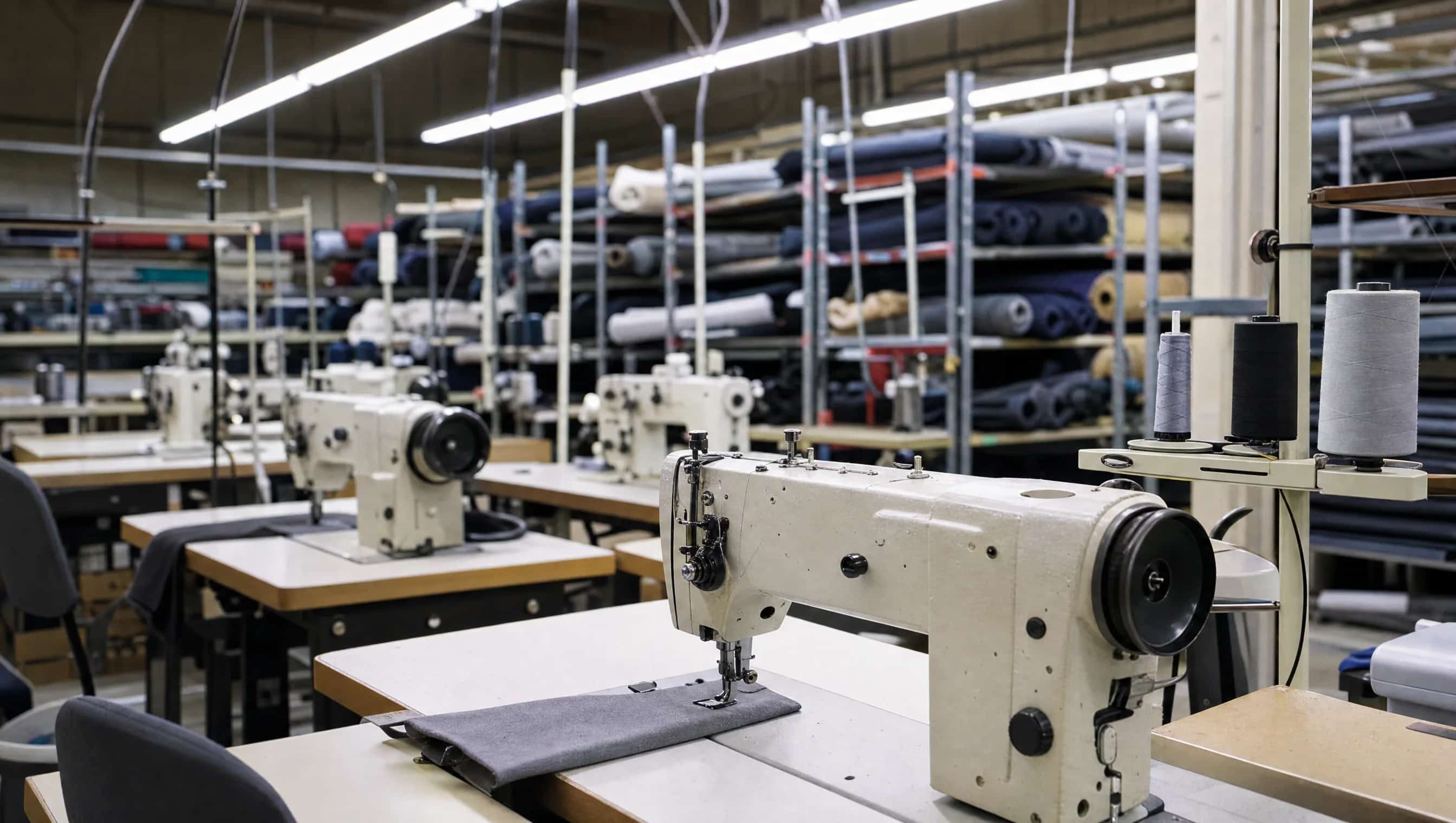
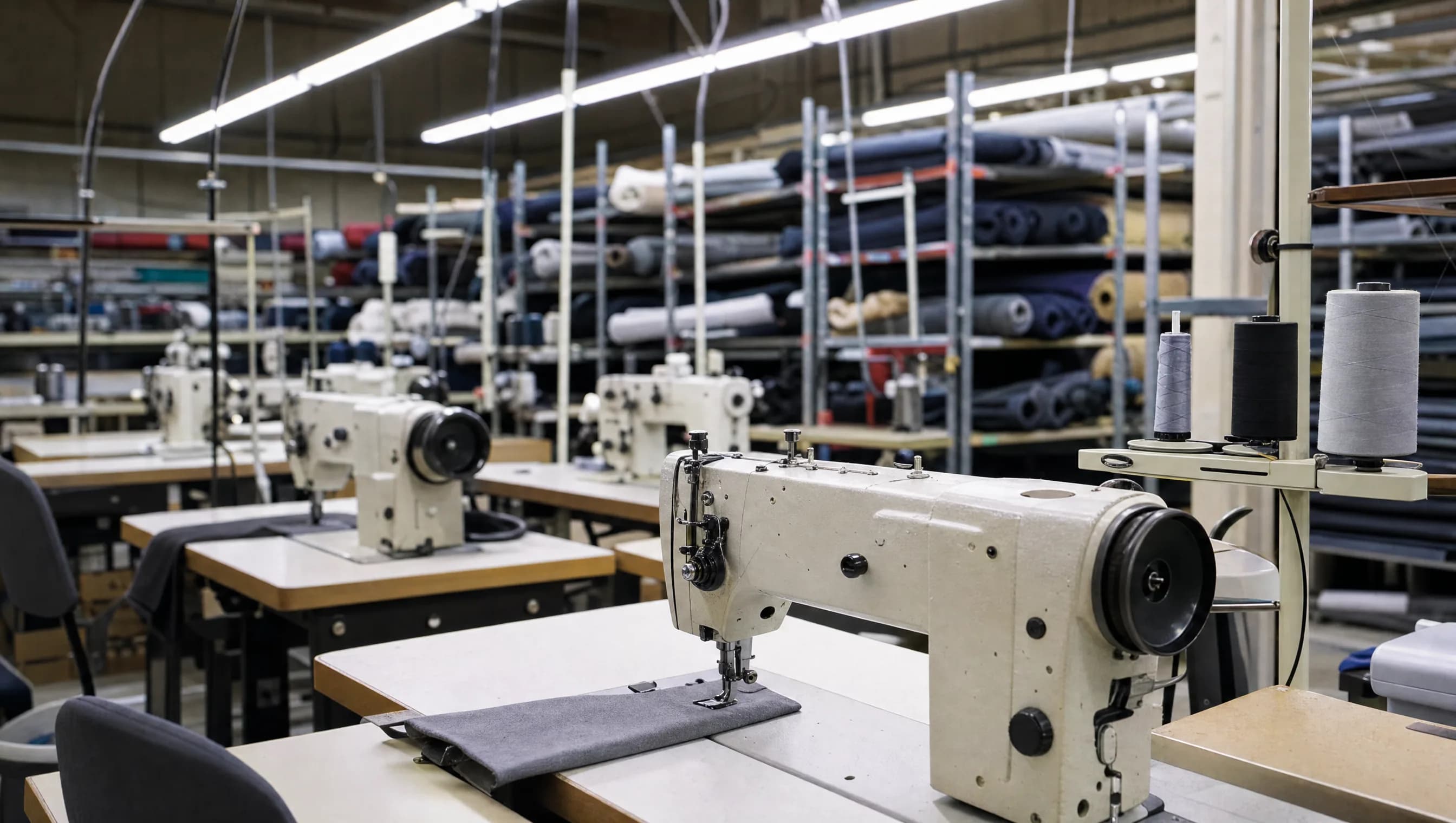
We arrange industrial sewing and textile equipment financing through major Canadian banks and specialised leasing institutions. Single and multi-needle industrial machines, automated cutting tables and spreaders, embroidery and heat transfer systems, pressing, finishing and steam equipment, and the material handling and racking a production floor runs on all qualify, new or used. A production line can be financed as a line, which matters because cutting, sewing and finishing capacity have to be balanced to each other.
Automation is what makes domestic production competitive
An automated cutter does the work of several manual cutting hours with better yield from the same roll of fabric, and in a sector where material is a dominant cost, yield improvement alone can carry the payment. The case for automation here is rarely about replacing sewing operators, who remain the skilled core of the shop, and almost always about cutting, spreading, pressing and handling.
Contract manufacturing moves in order-sized steps
A shop that lands a workwear, uniform or technical textile contract needs the capacity in place to deliver it, and the contract rarely waits for the equipment. That sequencing problem is what financing solves in this sector: machinery arrives against the order rather than behind it, and terms can be matched to the contract that justified the purchase.
Skilled operators are the real constraint
Every shop in this sector will say the same thing: experienced industrial sewing operators are scarce, and the ones a shop has are the reason it can quote at all. That changes what the equipment is for. Better machines, ergonomic stations and automated handling exist to make a skilled operator more productive and to keep them, not to replace them, and a shop that equips well recruits more easily than one that does not. The equipment case in apparel manufacturing is usually a retention case wearing a productivity argument.
Durable machines, long terms
Industrial sewing machines are built to run for decades and hold value accordingly, which supports longer structures and makes quality used equipment a sound purchase rather than a compromise. Applications above $250,000 require financial statements; a few machines carry much lighter paperwork. Send the production plan and the machines you need, and terms come back matched to the work in hand.