What we finance, and who funds it
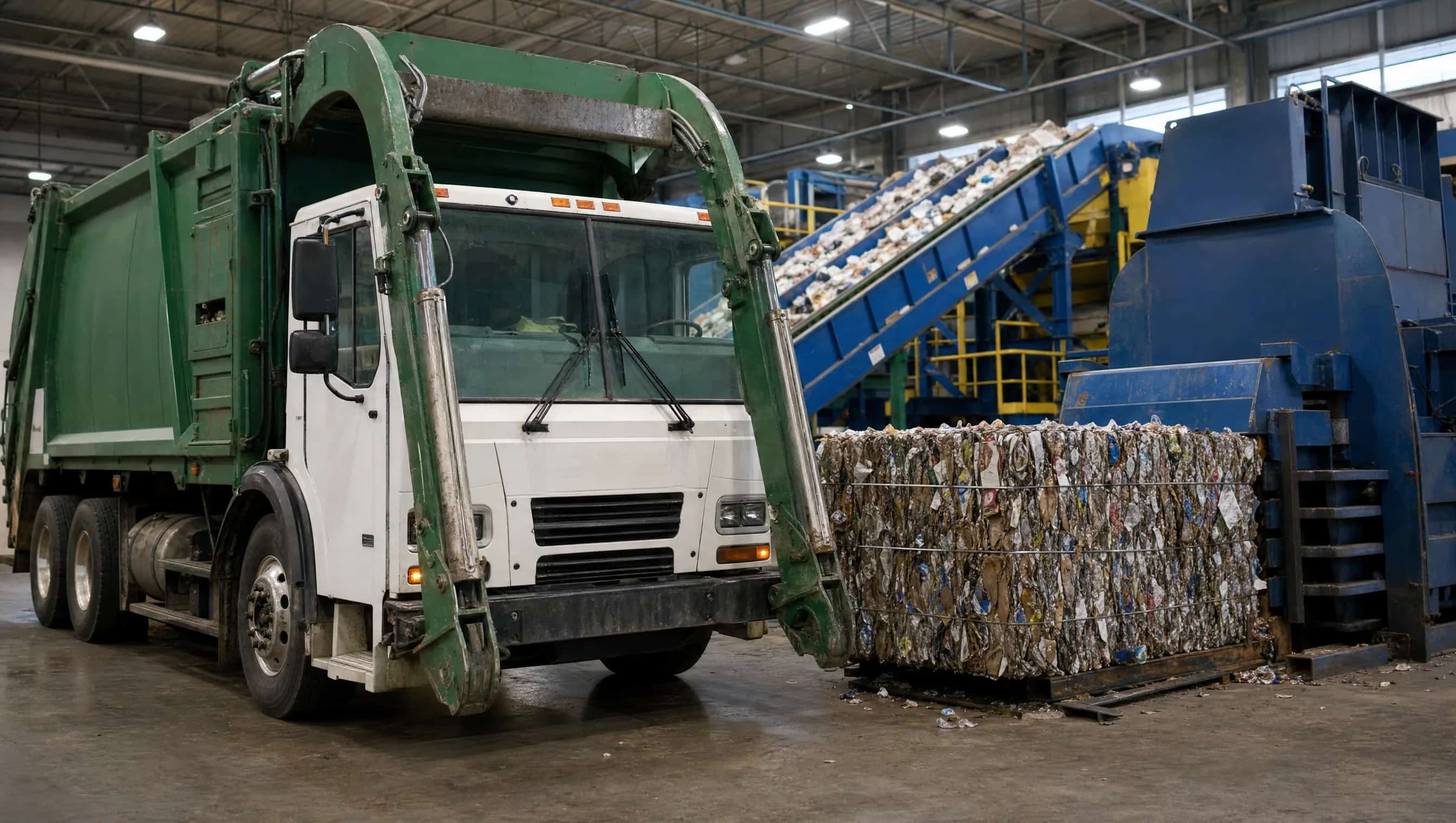
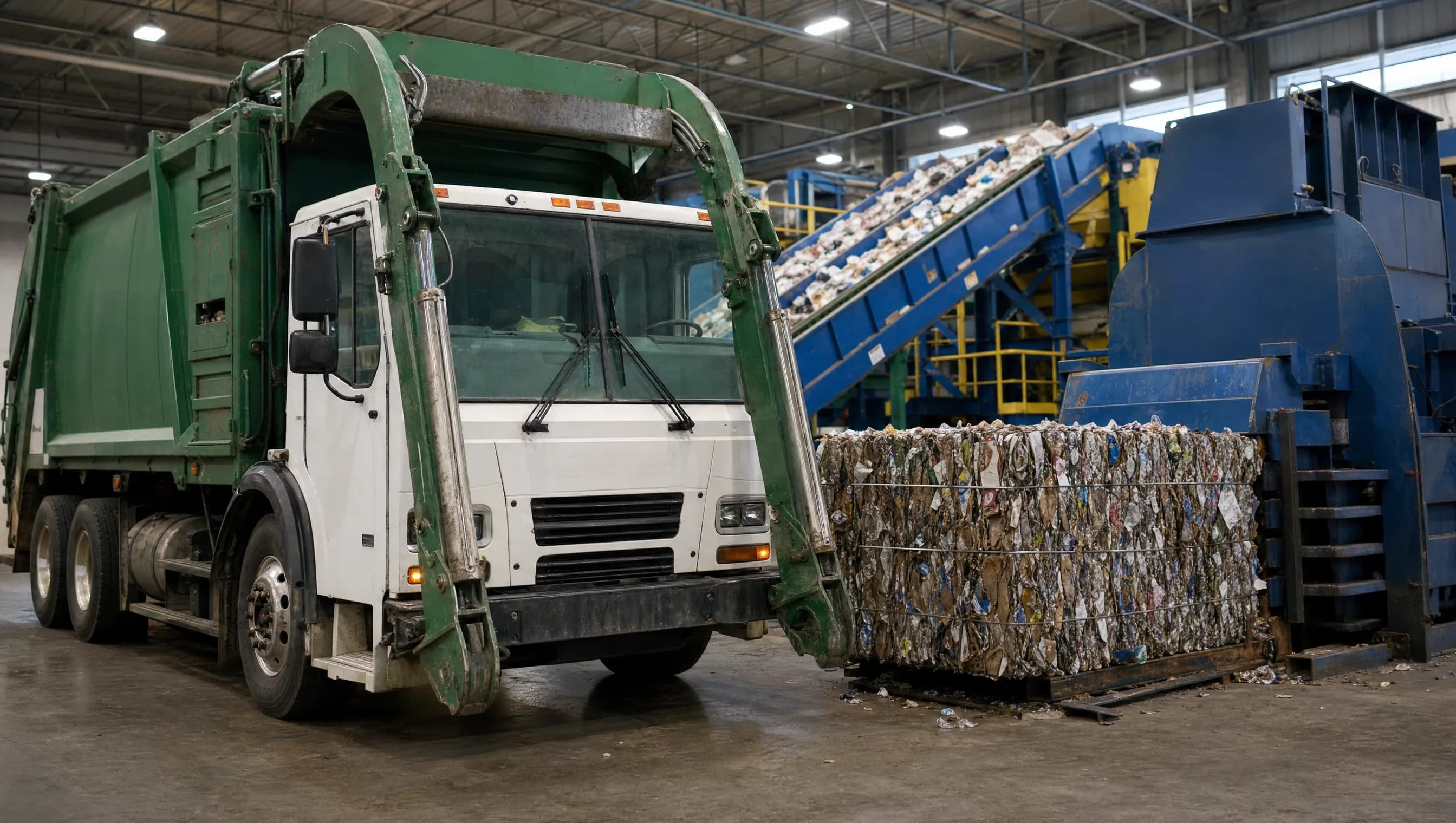
We arrange waste and recycling equipment financing through major Canadian banks and specialised leasing institutions. Front, rear and side-load collection trucks, roll-off trucks, bins and compactors, balers, shredders and sorting lines, material recovery facility equipment, and organics and composting systems all qualify, new or used. Chassis and body are financed together, which matters because a collection truck is two purchases that only have value combined.
Contract-length terms for contract-length work
Municipal waste contracts run to a defined term, and the fleet that serves one is sized to it. Structures can be matched to the contract rather than to a generic schedule, so the equipment is paid for across the years it is actually committed to and the operator is not carrying a payment past the work that justified it. Where a contract renews, terms can be extended against the renewal instead of refinanced from scratch.
Processing is a different asset class from collection
A truck and a sorting line do not behave alike. Collection equipment is mobile, duplicated across a fleet and has a deep used market. A material recovery line is fixed, engineered to a site and worth far less disassembled than installed. We structure them differently for that reason, and a facility build can be carried as a single program covering the balers, conveyors, screens and controls that only function as one system.
Diversion targets are pulling capital forward
Provincial diversion rules, extended producer responsibility and organics mandates are moving investment in this sector ahead of where the fleet-replacement cycle would have put it. Operators are buying equipment to meet a rule rather than to replace a worn unit, which means the spending often arrives before the revenue does. Applications above $250,000 require financial statements. Put the fleet and the tender behind it in front of us, and the structure comes back shaped to the contract term.