What we finance, and who funds it
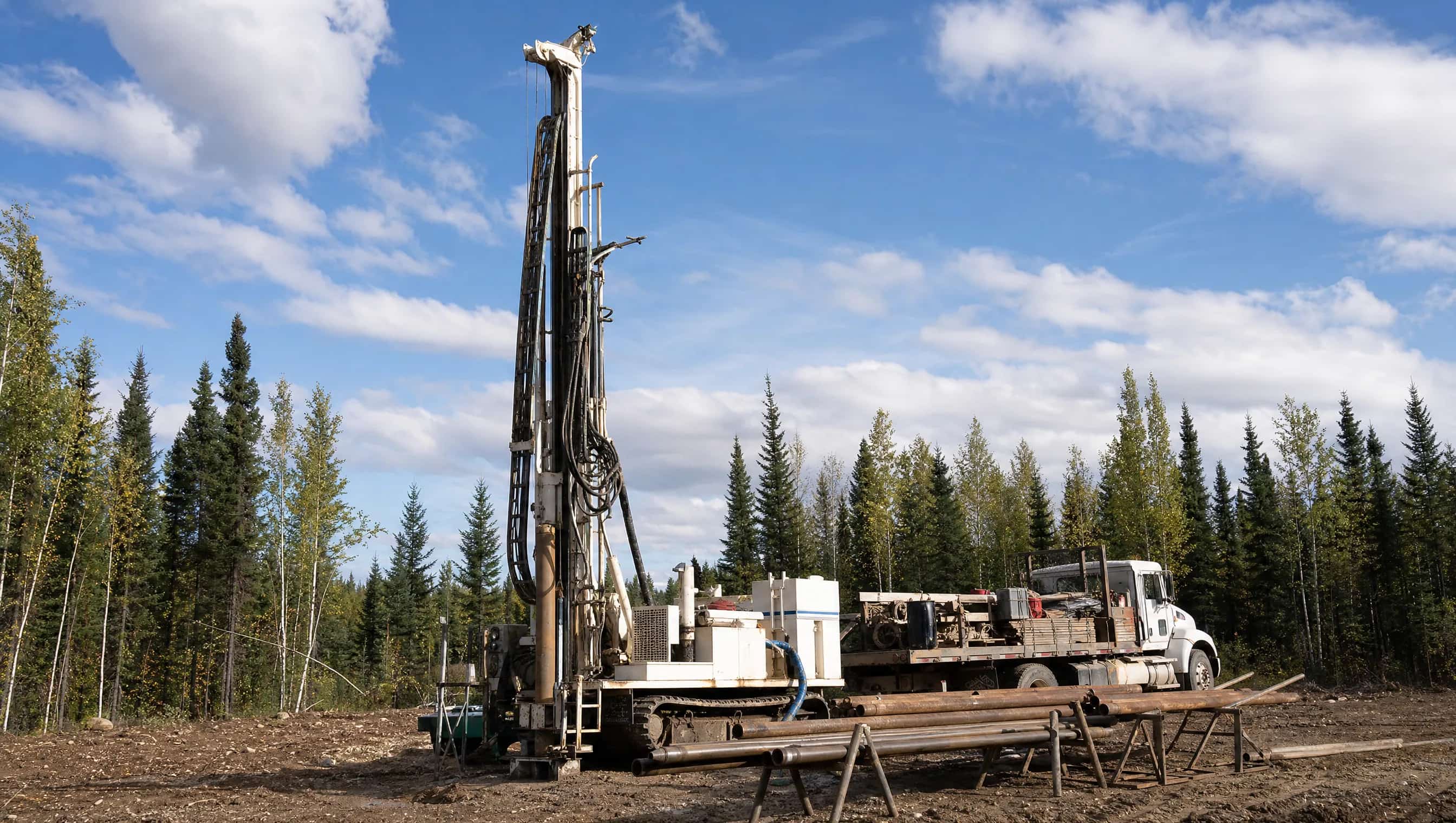
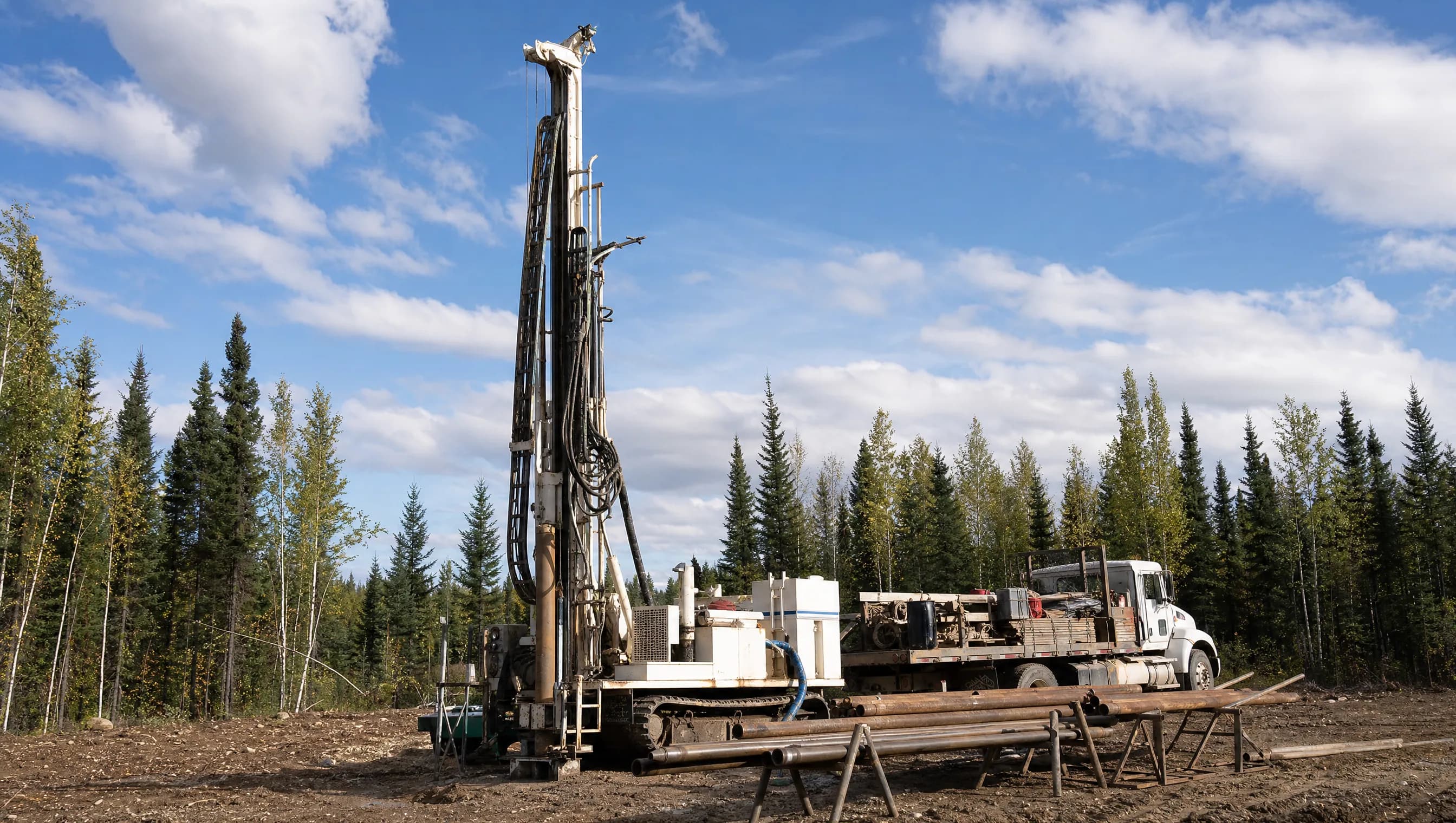
Drilling files go to major Canadian banks and to leasing institutions that deal specifically in ground-engineering assets. Water well and geotechnical rigs, horizontal directional drilling spreads, foundation, caisson and pile rigs, mud systems, pumps and support trucks, and the rods, casing and downhole tooling that go with them all qualify, new or used. A drilling spread is financed as a spread, since a rig without its support fleet and tooling cannot mobilise to a job.
The tooling is not an accessory
Rods, bits, casing and downhole tools are consumable capital: they wear out on a schedule tied to the formation being drilled, and in hard rock they can represent a meaningful share of the cost of the job. Carrying them inside the same structure as the rig keeps the operator from funding replacements out of receivables in the middle of a contract, which is where most cash-flow trouble in this sector actually starts.
Mobilisation is the cash event
Drilling contractors are paid for footage or for days, usually in arrears, but the money goes out the moment the spread moves: transport, site prep, crew accommodation, fuel and the tooling the formation will eat. That timing gap is wider here than in general construction. Structures can be set with that in mind, including seasonal shapes for operators working frost-dependent access or a defined drilling window.
Specialised iron, specialised lenders
A general equipment lender often cannot price a drilling rig, and a file that goes to the wrong desk comes back slow or declined rather than simply priced. Our network includes institutions that finance ground engineering regularly and understand both the utilisation and the resale market. Applications above $250,000 require financial statements, which covers most rigs in this class. Tell us the rig and the contracts it will serve, and the structure comes back built around the drilling season rather than a flat twelve-month assumption.