What we finance, and who funds it
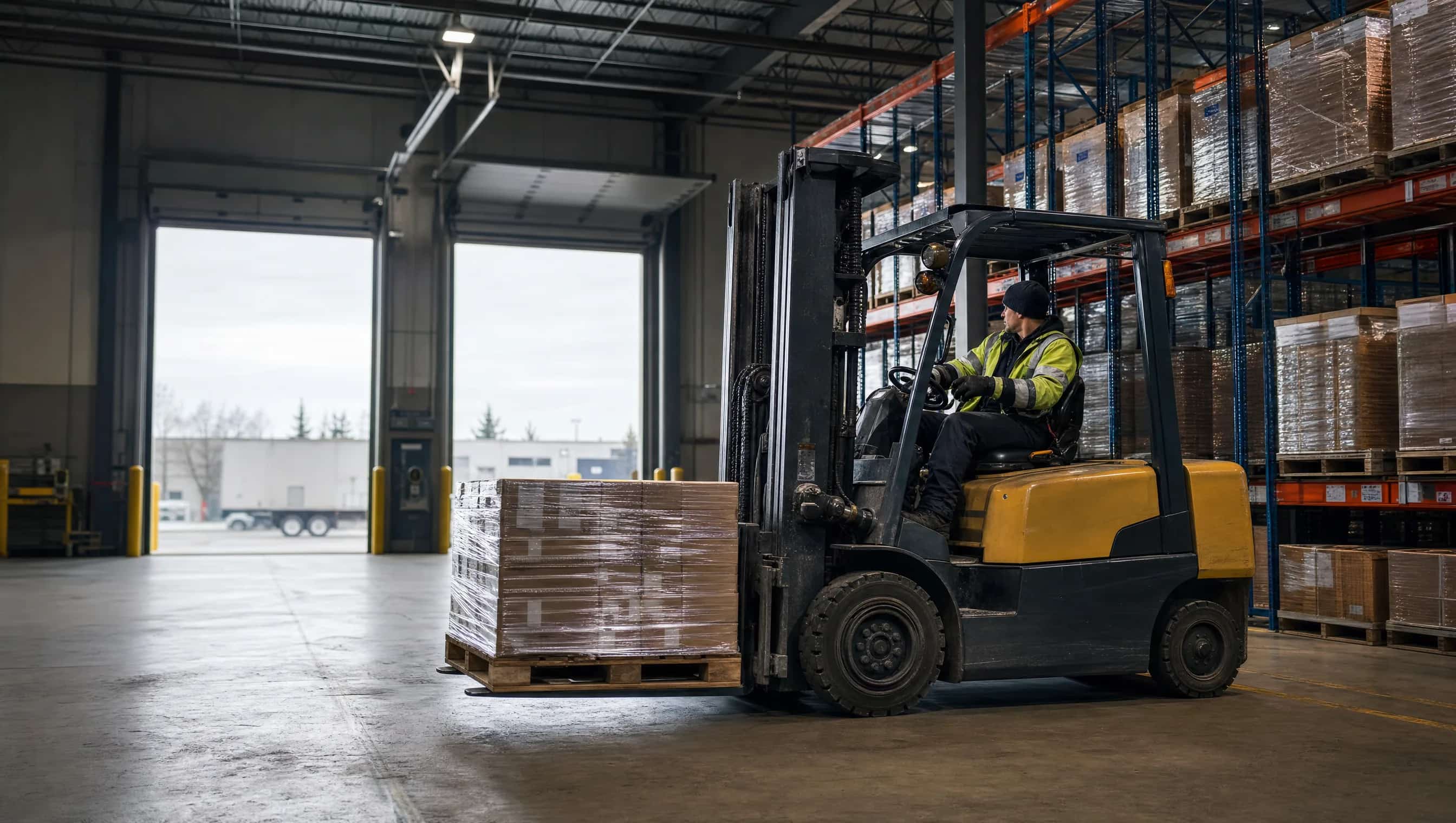
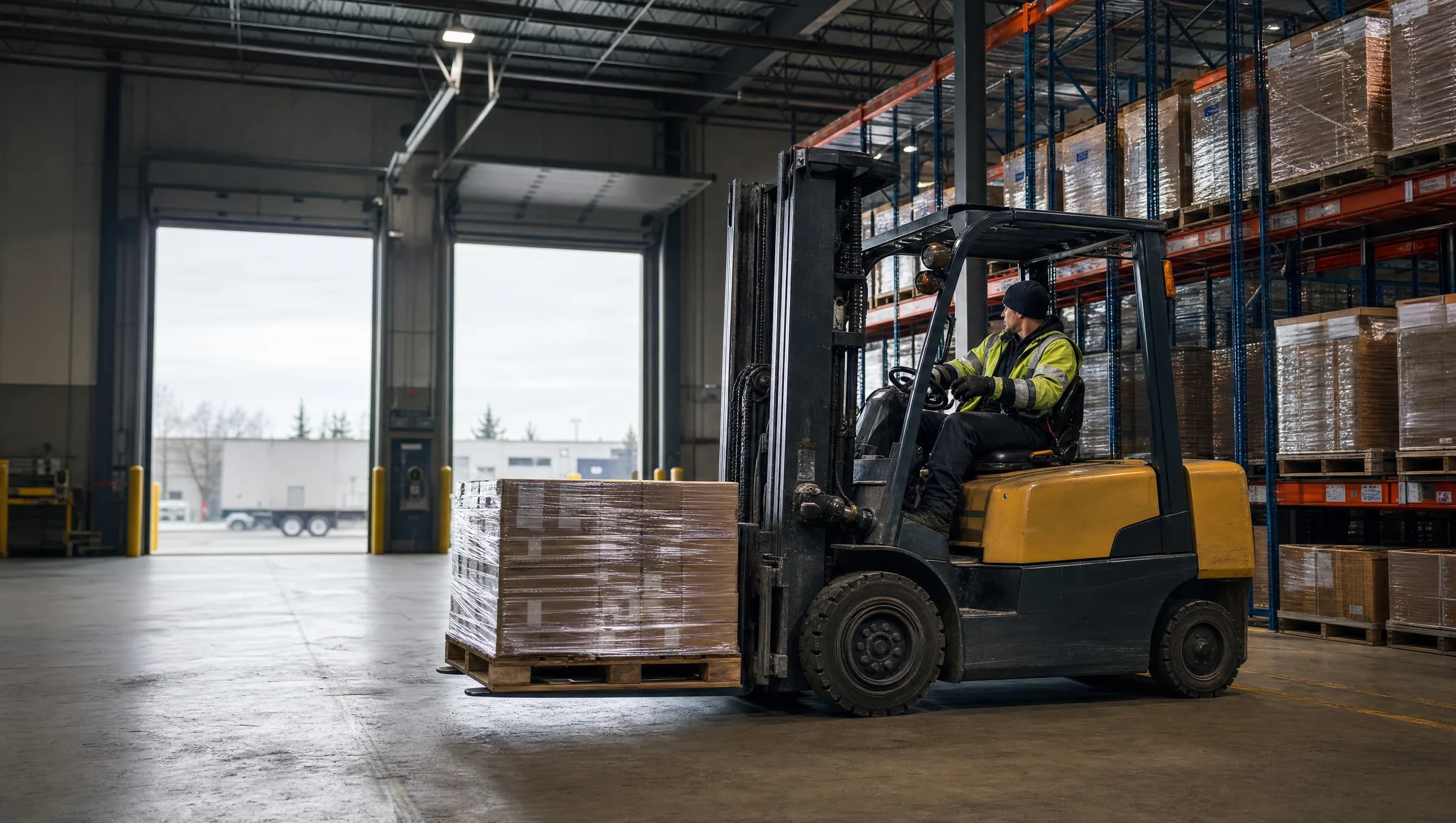
We arrange material handling financing through a network of major Canadian banks and specialised leasing institutions. Forklifts and reach trucks, electric pallet jacks, racking and shelving systems, and conveyor and sortation equipment all qualify, new or used, from a dealer or a private sale. Complete warehouse fit-outs can be structured as a single financing rather than a machine-by-machine patchwork, which matters when a new facility needs racking, trucks and conveyors on the same opening date.
Why fleet economics favour financing
Fleet economics favour financing in this sector for a specific reason: forklifts wear on a predictable schedule. Hours accumulate, maintenance costs climb, and at a known point the truck costs more to keep than to replace. A lease structure matched to that curve means the fleet turns over before the maintenance spiral starts, with a predictable payment instead of surprise repair bills and downtime at the dock. Electric conversion follows the same logic. Warehouses switching from propane to electric trucks for indoor air quality and operating cost usually convert the fleet in stages, and financing spreads each stage across its working life.
Growth in warehousing arrives in steps
Growth in warehousing is lumpy. A new contract or a new building demands equipment all at once, precisely when moving, hiring and inventory build-up are consuming cash. An equipment lease absorbs that spike. Operations that own their fleet can use sale-leaseback to pull capital back out of trucks and racking and put it into stock or automation. Applications above $250,000 require financial statements; below that threshold the paperwork stays light, which suits single-truck additions. Both lease structures are available, with the choice usually driven by fleet turnover plans and tax treatment. Tell us what the building needs and we come back with terms from lenders who finance warehousing every day.