The question behind most sale leaseback calls
Searches for sale leaseback equipment financing usually start with a cash question, not an equipment question, and that is the right way around. Who uses it? Businesses that are asset-rich and cash-tight, which describes half of Canadian contracting at any given moment. Typical triggers: a contractor who owns iron outright and needs mobilization capital for a project that pays in milestones; a manufacturer raising cash for a large materials order without adding bank debt; a trucking company consolidating obligations against equity in its fleet; a business bridging a season, a tax bill or a partner buyout with capital that is currently parked in steel. It is also the practical route when a growth opportunity arrives faster than retained earnings can fund it.
How the advance is calculated
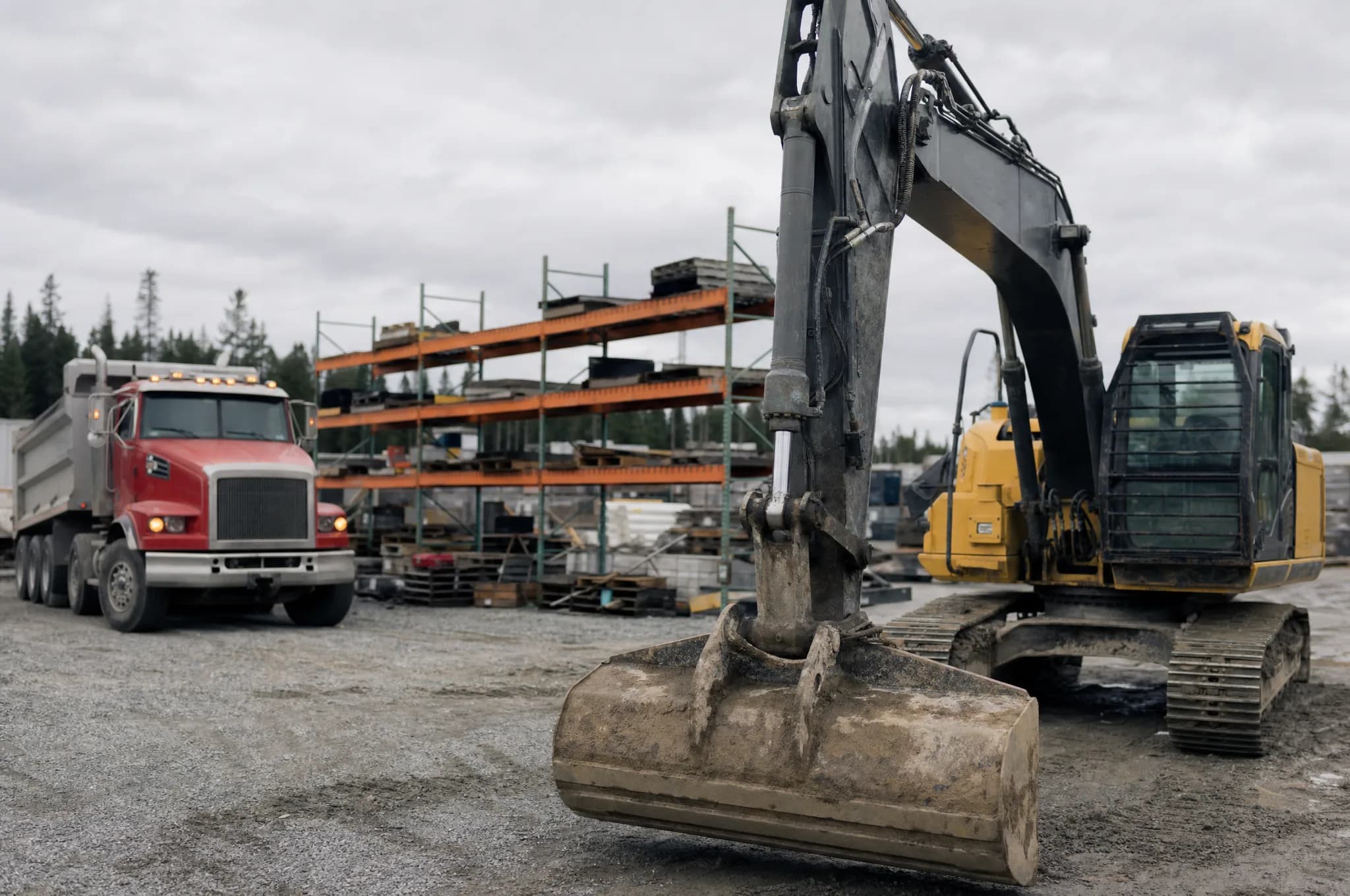
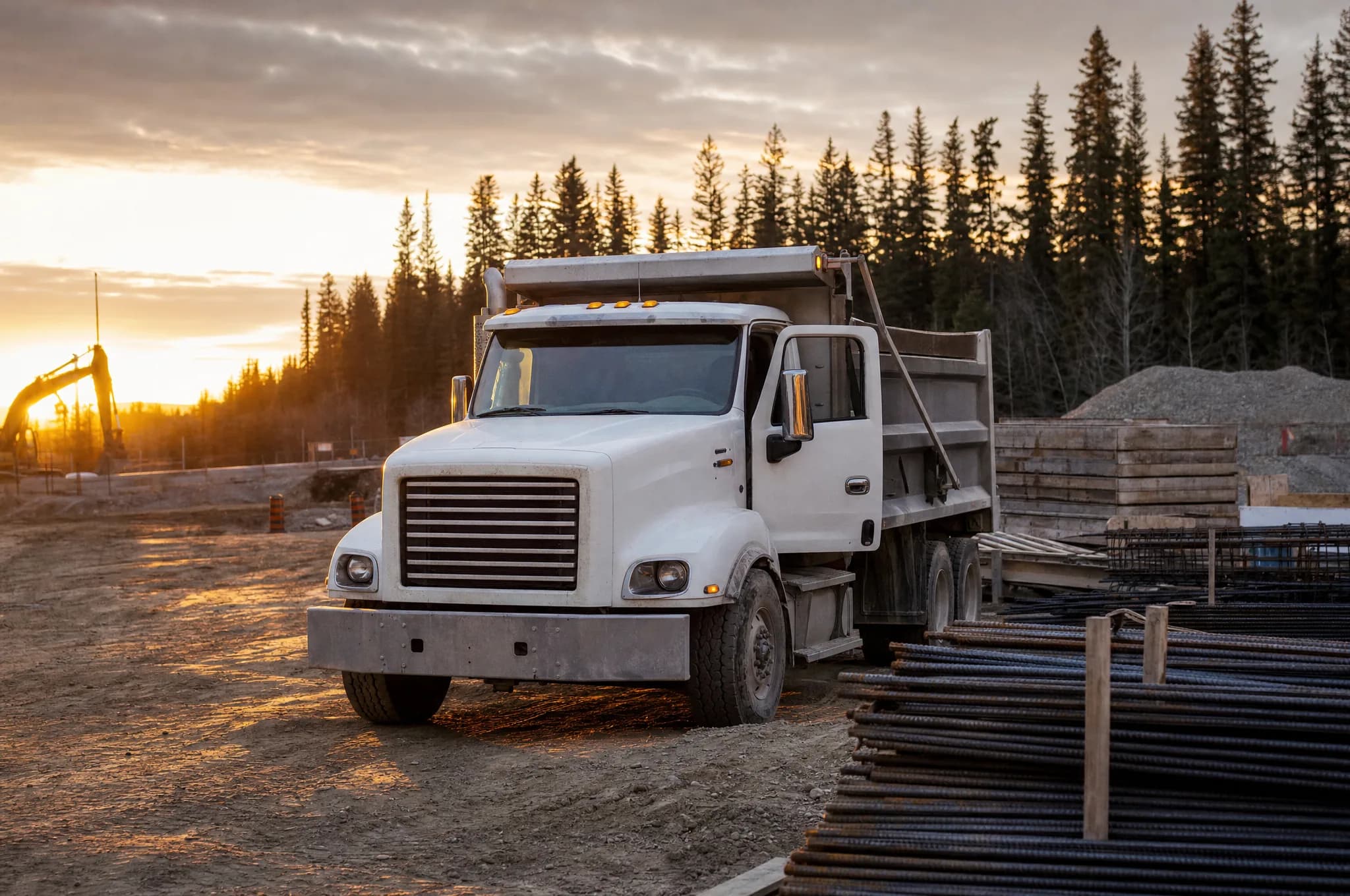
The mechanics are worth understanding before you call. The funder's advance is set against the equipment's appraised value, so unencumbered, well-documented machines raise the most. Titled and serial-numbered assets work best: construction equipment, trucks and trailers, manufacturing machinery, agricultural iron. The existing security picture matters; if a lender already registers against the asset, the leaseback proceeds pay that security out first and you receive the difference. At the end of the lease schedule, a $1 buyout returns full title to you, so in economic substance you have paid for your own equipment over the schedule, structured as a lease.
Tax and accounting after the sale
Tax and accounting treatment changes with the structure: lease payments after the sale can be deductible as an operating expense, and the sale itself has consequences your accountant should model before you sign, particularly recapture where the equipment has been heavily depreciated. We provide the payment schedule and structure detail their analysis needs.
How the application works
The application follows our standard three steps, with the equipment list and serial numbers standing in for a purchase quote. Files above the $250,000 statements threshold include financials, which is common since leasebacks tend to involve substantial assets. The honest alternative comparison: a bank line of credit is cheaper if you can get it approved and sized to need; a leaseback wins when the equity is in the equipment rather than the covenant package. Send the equipment list and we will tell you what it can raise.